Washington, D.C., United States — June 4, 2026
US-Iran Tensions: Trump Signals Optimism on Nuclear Talks, Hormuz Reopening Linked to Potential Deal
US-Iran Tensions remain at the center of global attention after U.S. President Donald Trump expressed optimism about ongoing negotiations with Iran, suggesting that a diplomatic breakthrough could be possible in the coming days. Trump said discussions with Tehran are moving in a positive direction and indicated that the strategically important Strait of Hormuz could reopen fully if both sides reach an agreement.
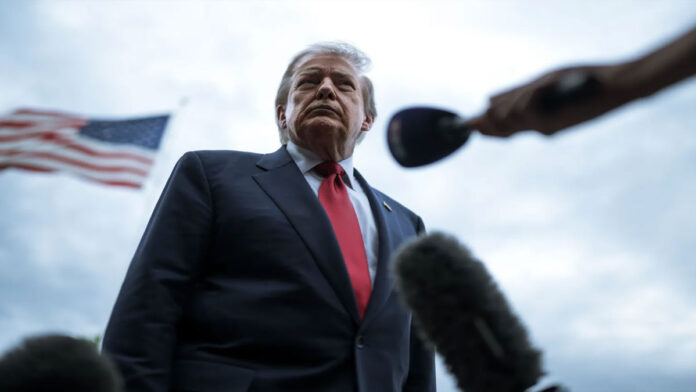
Speaking to reporters at the White House, Trump described the negotiations as progressing “very well” and said a significant development could emerge as early as this weekend. However, he cautioned that no final agreement has been reached and that the outcome remains uncertain.
Trump Links Hormuz Reopening to Diplomatic Progress
The Strait of Hormuz remains one of the world’s most strategically important maritime routes, carrying a significant share of global oil and natural gas shipments. Trump stated that commercial navigation through the waterway could return to normal if negotiations with Iran result in a formal agreement. He also reiterated that unrestricted shipping through the strait remains a key U.S. objective.
The waterway has been at the center of regional tensions for months, contributing to volatility in global energy markets and raising concerns among major oil-importing nations. Recent diplomatic efforts have focused on reducing risks to commercial shipping and restoring stability in the Gulf region.
Trump Comments on Iran’s Enriched Uranium Stockpile
The U.S. president also addressed Iran’s stockpile of enriched uranium, describing it as a central issue in the ongoing negotiations. Trump said Washington wants control over the material and argued that only a limited number of countries possess the capability to manage it securely. He reiterated the administration’s long-standing position that Iran must not develop nuclear weapons.
The uranium issue continues to be one of the most difficult points in the negotiations. While the United States seeks restrictions on Iran’s nuclear activities, Iranian leaders have maintained that their nuclear program is intended for peaceful purposes.
Iran Says Contacts Continue but Progress Remains Limited
Despite Trump’s optimistic remarks, Iran’s response has been considerably more cautious.
Iranian Foreign Minister Abbas Araghchi acknowledged that communication channels between Washington and Tehran remain open but said there has been no major breakthrough so far. According to Iranian officials, formal progress will depend on guarantees regarding Iran’s interests, a reduction in regional tensions and broader security concerns in the Middle East.
Iran has also linked regional stability to developments in Lebanon and other conflict zones, arguing that diplomatic solutions must address wider security issues affecting the region.
Regional Tensions Continue to Complicate Diplomacy
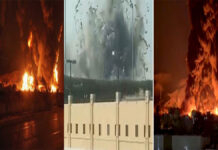
While diplomatic contacts continue, tensions across the Middle East remain elevated. Recent security incidents, including a deadly attack at Kuwait International Airport that resulted in casualties and injuries, have highlighted the fragile security environment facing the region.
The ongoing conflict involving Iran, Israel and regional actors has added complexity to the negotiations. Analysts note that while both Washington and Tehran continue to engage diplomatically, developments on the ground could influence the pace and direction of future talks.
Global Markets Watching Closely
Energy markets and international policymakers are closely monitoring the negotiations because of the Strait of Hormuz’s critical role in global trade. Any agreement that improves security and restores unrestricted maritime traffic could have significant implications for oil prices, supply chains and economic stability worldwide.
For now, discussions between the United States and Iran remain ongoing. While both sides acknowledge continued contact, differences over uranium enrichment, regional security and sanctions remain unresolved, leaving the future of any final agreement uncertain.