ABU DHABI, United Arab Emirates — June 3, 2026
IAEA Support for UAE Nuclear Plant operations is being strengthened following last month’s drone attack on the Barakah Nuclear Power Plant, the United Arab Emirates’ only nuclear energy facility.
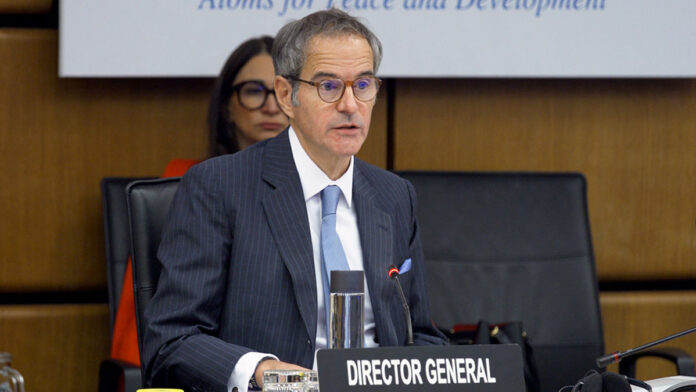
According to reports, International Atomic Energy Agency (IAEA) Director General Rafael Mariano Grossi confirmed that the global nuclear watchdog is providing extensive assistance to UAE authorities after conducting an official visit to the facility, which was targeted in a drone strike on May 17.
The attack triggered concerns about nuclear infrastructure security across the Middle East at a time when geopolitical tensions continue to intensify throughout the region.
IAEA Praises UAE’s Emergency Response
Speaking after inspecting the facility, Grossi commended UAE officials for their rapid operational response following the incident.
According to the IAEA chief, plant operators acted swiftly after external power supplies to the facility were disrupted, implementing reactor shutdown procedures and emergency protocols designed to protect the plant’s systems.
Grossi described the response as exceptionally efficient and noted that nuclear safety measures functioned as intended during the incident.
The Barakah Nuclear Power Plant is a critical component of the UAE’s energy infrastructure and plays a major role in the country’s long-term strategy to diversify energy production and reduce reliance on fossil fuels.
Technical Assessments and Repairs Underway
The IAEA chief stated that a series of technical assessments and operational reviews will be conducted to ensure that all repair and recovery work at the facility is completed safely and effectively.
While confirming ongoing support efforts, Grossi did not provide specific details regarding the scope of the maintenance work or a timeline for the completion of repairs.
Nuclear experts are expected to evaluate infrastructure, safety systems, power supply mechanisms, and operational procedures as part of the recovery process.
The international agency’s involvement is intended to help ensure that the facility continues operating in compliance with global nuclear safety standards.
Barakah Plant Attack Raises Regional Security Concerns
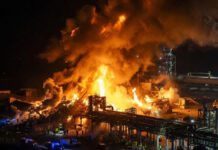
The drone strike on May 17 resulted in a fire at the Barakah facility, an incident later confirmed by UAE authorities.
Although officials have emphasized that nuclear safety systems remained intact, the attack renewed concerns about the vulnerability of critical infrastructure in a region experiencing heightened military and political tensions.
Security analysts note that attacks targeting energy infrastructure can have consequences that extend beyond national borders, affecting global energy markets and international confidence in regional stability.
The Barakah facility has often been viewed as a symbol of the UAE’s growing role in peaceful nuclear energy development.
Developments Across the Region
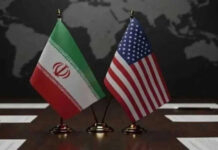
The latest IAEA intervention comes amid a series of significant geopolitical developments involving Iran, the United States, Israel, and Lebanon.
U.S. Clarifies Position on Iran Sanctions
U.S. Secretary of State Marco Rubio reportedly told lawmakers that any sanctions relief offered to Iran would be linked specifically to its nuclear program and not to efforts aimed at reopening the Strait of Hormuz.
The statement highlights Washington’s continued focus on nuclear negotiations while broader regional security issues remain unresolved.
IAEA Says Some Iranian Nuclear Activities Have Stopped
Grossi also indicated that several ongoing nuclear activities within Iran have now been suspended.
However, the IAEA has not yet released detailed information regarding which specific programs or facilities have been affected.
The development is being closely monitored by international observers as diplomatic efforts continue between Tehran and global powers.
Oil Shipping Concerns Intensify
In a separate development, the U.S. military stated that it disabled a Botswana-flagged oil tanker that was allegedly attempting to move toward Iran’s Kharg Island.
Meanwhile, the United Nations Conference on Trade and Development (UNCTAD) warned that a prolonged closure of the Strait of Hormuz could increase global oil import costs by approximately $20 billion, with lower-income countries expected to suffer the most severe economic impact.
The Strait of Hormuz remains one of the world’s most important energy transit routes, carrying a substantial portion of global crude oil exports.
Israel-Lebanon Violence Continues
Despite ongoing diplomatic efforts across the region, military confrontations between Israel and Hezbollah continue.
According to reports, Israeli forces carried out additional operations in southern Lebanon, including a strike in the town of Al-Marwania that reportedly killed four adults and two children.
At the same time, a Hezbollah drone attack in southern Lebanon reportedly injured four Israeli soldiers.
The continuing exchange of attacks underscores the fragile security environment in the region and the challenges facing international efforts to reduce hostilities.
Global Attention Focused on Regional Stability
The drone attack on the UAE’s nuclear facility, ongoing nuclear diplomacy with Iran, threats to global shipping routes, and continued violence along the Israel-Lebanon border all highlight the growing complexity of the Middle East security landscape.
As international organizations, regional governments, and global powers work to prevent further escalation, the IAEA’s support for the Barakah facility represents a critical effort to ensure nuclear safety and operational stability during a period of heightened uncertainty.
The coming weeks are expected to be crucial as authorities assess the full impact of the attack and broader diplomatic efforts continue across the region.