WASHINGTON, D.C. — June 3, 2026
Israel Hezbollah Ceasefire efforts have come under renewed scrutiny after U.S. President Donald Trump claimed that hostilities between Israel and Hezbollah had effectively stopped, only for fresh rocket launches and continued regional tensions to cast doubt on the durability of any potential truce.
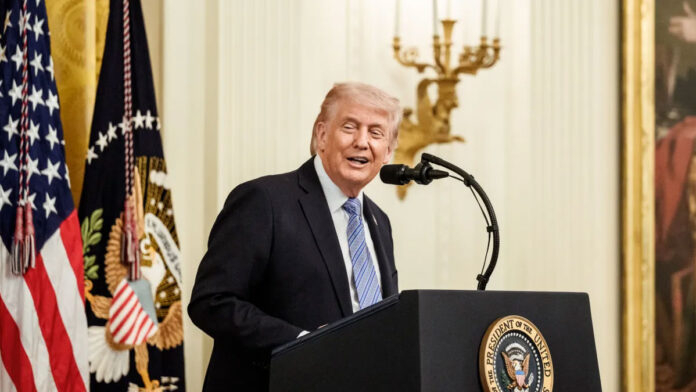
Speaking amid ongoing diplomatic efforts in the Middle East, Trump said his intervention had helped reduce hostilities between Israel and the Iran-backed Lebanese group Hezbollah. According to the U.S. president, Israel would refrain from launching attacks on Beirut while Hezbollah would halt its cross-border rocket fire.
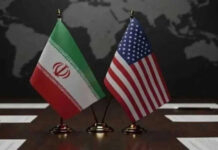
Trump also suggested that negotiations between the United States and Iran were approaching a final stage, raising hopes for a broader diplomatic breakthrough in one of the world’s most volatile regions.
However, developments on the ground appear to present a more complicated picture.
Rocket Fire Reported Hours After Ceasefire Claims
Only hours after Trump’s remarks, reports emerged of two rockets being launched from Lebanese territory toward Israel.
Israeli defense forces reportedly intercepted the projectiles before they reached their targets, preventing damage and casualties. The incident highlighted the fragile security situation along the Israel-Lebanon border and underscored the challenges facing any ceasefire effort.
Military analysts note that isolated attacks can quickly escalate tensions, particularly in a region where mistrust remains high and armed groups continue to maintain operational capabilities.
The latest exchange has fueled questions about whether a lasting reduction in hostilities has truly been achieved or whether current developments represent only a temporary pause in violence.
Diplomatic Efforts Continue Amid Regional Uncertainty
Trump’s comments come as Washington continues to pursue broader diplomatic initiatives across the Middle East.
The administration has sought to balance efforts to reduce military confrontations while simultaneously advancing negotiations aimed at addressing long-standing disputes involving Iran and regional security arrangements.
A successful agreement between Washington and Tehran could have significant implications for regional stability, energy markets, and international security.
However, diplomatic sources suggest that major obstacles remain before any final deal can be reached.
Iran Yet to Approve Proposed Agreement
Despite reports of progress, Iran has not formally accepted the latest U.S.-backed peace framework.
According to sources familiar with the discussions, Iranian officials are seeking concrete guarantees before committing to any agreement. Tehran is reportedly focused on obtaining measurable action regarding sanctions relief and long-term security assurances rather than relying solely on political commitments.
Iranian leaders have consistently emphasized that future agreements must deliver tangible economic and strategic benefits.
Analysts say this position reflects lessons learned from previous diplomatic arrangements, where implementation and enforcement became major points of contention between the parties involved.
Middle East Remains a Region of Both Diplomacy and Conflict
The latest developments illustrate the complex reality currently unfolding across the Middle East, where diplomatic negotiations and military tensions continue to exist simultaneously.
While political leaders publicly discuss peace initiatives and confidence-building measures, security incidents continue to demonstrate the risks of renewed escalation.
Regional observers note that meaningful progress toward stability will likely depend on several factors, including sustained diplomatic engagement, effective enforcement mechanisms, and cooperation among key regional stakeholders.
For now, the situation remains fluid, with ceasefire claims, ongoing negotiations, and security incidents all shaping the next phase of developments in the region.
What Comes Next?
International attention is now focused on whether diplomatic channels can produce lasting results.
A reduction in Israel-Hezbollah hostilities would represent a significant step toward regional stability. Likewise, progress in U.S.-Iran negotiations could reshape the geopolitical landscape of the Middle East.
However, recent rocket launches and unresolved disagreements over sanctions and security guarantees indicate that substantial challenges remain before any comprehensive agreement can be finalized.
As negotiations continue, governments across the region and the international community will be closely monitoring developments that could influence both regional security and global economic stability.