WASHINGTON, D.C. — June 2, 2026
US Africa Visa Processing Centers are being significantly reduced as part of a new migration policy introduced by the United States government, a move that is expected to affect thousands of visa applicants across the African continent.
Under the revised policy, the number of US embassies and diplomatic missions handling full visa processing services in Africa will be reduced from approximately 50 locations to just 20 regional visa centers beginning in June. The change is aimed at streamlining visa operations and strengthening oversight of immigration procedures, according to the new policy framework.
The decision means that citizens in several African countries where visa processing services are being discontinued will now be required to travel to designated regional hubs in neighboring countries to complete visa interviews and documentation requirements.
Embassy Operations Will Continue
While visa processing services are being consolidated, US diplomatic missions in affected countries will remain operational. American embassies and consulates will continue to provide routine consular assistance, including passport renewals, emergency support, health-related services, and assistance for US citizens residing or traveling abroad.
However, major visa-related functions such as interview appointments, document verification, and application adjudication will now be handled exclusively through the newly designated regional centers.
Officials indicated that the restructuring is intended to improve operational efficiency while allowing resources to be concentrated at larger facilities capable of handling higher application volumes.
Key Regional Visa Hubs Identified
Under the new arrangement, only selected major cities across Africa will serve as full-service visa processing hubs.
Among the primary regional centers are:
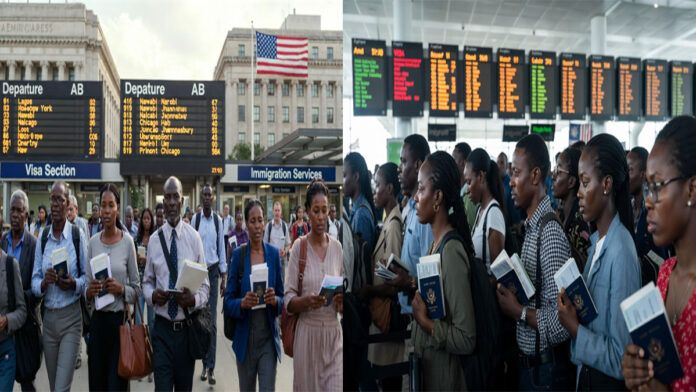
- Lagos, Nigeria
- Nairobi, Kenya
- Johannesburg, South Africa
These cities are expected to manage a significant portion of visa applications from neighboring countries as the policy takes effect.
Applicants residing in countries that lose local visa processing capabilities may face additional travel requirements, including transportation costs, accommodation expenses, and longer waiting periods for appointments.
Impact on African Travelers
The policy is expected to have a direct impact on students, business travelers, tourists, and individuals seeking temporary entry into the United States.
For many applicants, obtaining a visa interview may now involve international travel before a visa decision can be made. Travel experts and immigration observers note that this could create logistical and financial challenges, particularly for applicants from smaller nations that previously offered local visa processing services.
At the same time, US authorities believe the centralized model will help improve administrative consistency and strengthen oversight of visa issuance procedures.
Part of Broader Migration Strategy
The restructuring of US Africa Visa Processing Centers forms part of a broader migration management strategy designed to regulate immigration flows and address concerns regarding misuse of temporary visa programs.
By concentrating visa operations in regional hubs, US officials aim to standardize processing procedures and improve monitoring mechanisms while maintaining essential diplomatic and consular services throughout Africa.
The policy is scheduled to take effect in June and will gradually shift visa-related operations to the newly designated regional centers across the continent.