Beijing / Moscow, February 4, 2026
Russia Signals Readiness for Nuclear Era Without Arms Control
Russia has issued a stark warning ahead of the expiration of the New START Treaty, saying it is fully prepared for a world without legally binding nuclear weapons limits.
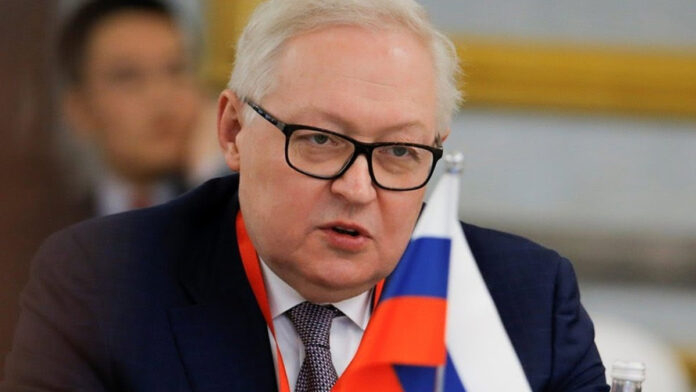
Russia’s Deputy Foreign Minister Sergei Ryabkov, who oversees arms control, said in Beijing that Moscow has received no response from Washington to proposals aimed at extending or preserving the treaty’s limits.
“Even silence is a response,” Ryabkov said, adding that Russia is ready to adapt to a new strategic reality and take compensatory military measures if required.
New START to Expire on February 5
The New START treaty—signed in 2010 by former US President Barack Obama and former Russian President Dmitry Medvedev—is set to expire on February 5, 2026.
Once it expires, the treaty’s restrictions on deployed nuclear warheads, delivery systems, and mutual inspection mechanisms will lapse, removing the last remaining legal constraint on the nuclear arsenals of the world’s two largest atomic powers.
Ryabkov said this would mark the first time in decades that Russia and the United States operate without any binding nuclear arms control framework.
Warnings of a New Global Arms Race
Security experts warn that the treaty’s expiration could trigger a new and uncontrolled nuclear arms race, undermining global security and reviving Cold War–era tensions.
With inspections ending and transparency mechanisms gone, analysts fear:
Rising mistrust between nuclear powers
Increased risk of miscalculation
Accelerated expansion of nuclear stockpiles
Ryabkov also expressed support for China’s position on arms control, raising concerns of a three-way strategic competition involving Russia, the US, and China—potentially derailing global disarmament efforts.
Missile Defense Concerns and Greenland Warning
Ryabkov cautioned that if the United States deploys missile defense systems in Greenland, Russia would be forced to respond with counterbalancing military steps.
He said Moscow would not ignore strategic deployments that alter the balance of power, reinforcing fears that geopolitical rivalry is entering a more dangerous phase.
Russia Intensifies Attacks on Ukraine
The warning on nuclear arms came amid a major escalation in the war in Ukraine. Russia launched approximately 450 long-range drones and around 70 missiles in a large-scale attack through early Tuesday.
Ukrainian President Volodymyr Zelenskyy said 32 ballistic missiles targeted energy infrastructure across five regions, aiming to cripple electricity, heating, and water supply during winter.
Russia “wants to leave us without power, heat, and drinking water,” Zelenskyy said.
Severe Impact on Ukraine’s Power Grid
Private energy company DTEK described the strike as the most severe attack on the power grid this year. At least 10 people were injured, and heating was disrupted in 1,170 residential buildings.
The attack coincided with a visit to Kyiv by NATO Secretary General Mark Rutte, who was in Ukraine to reaffirm alliance support.
Ceasefire Talks Planned in Abu Dhabi
Despite the escalation, diplomatic efforts continue. Talks on a potential ceasefire are scheduled for Wednesday in Abu Dhabi, with US mediation, according to officials. The meeting comes amid mounting international pressure to prevent further regional destabilization.
Ukraine Agrees on Enforcement Plan With Western Allies
According to a report by the Financial Times, Ukraine has reached an understanding with its Western partners on a joint military response plan in case Russia repeatedly violates any future ceasefire agreement.
The plan—discussed multiple times in December and January by Ukrainian, European, and US officials—includes:
A multi-layered response to ceasefire violations
A coordinated Western counteraction within 72 hours of major breaches
The agreement underscores growing alignment between Kyiv and its allies as concerns over Russia’s military posture intensify.