Washington, D.C., April 16, 2026
In a significant diplomatic development, Donald Trump announced that Israel and Lebanon have agreed to a 10-day ceasefire, raising cautious optimism for de-escalation after weeks of heightened tensions.
The ceasefire, described as a “testing period”, is expected to begin at approximately 3:30 AM IST. It marks a rare moment of cooperation between the two nations, whose hostilities date back to the formation of Israel in 1948.
Trump Calls It a “Step Toward Peace”
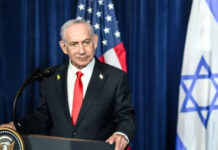
Trump revealed the development through his social media platform, stating he had productive conversations with Lebanese President Joseph Aoun and Israeli Prime Minister Benjamin Netanyahu.
He described the ceasefire as a critical first step toward long-term peace, adding:
“I’ve resolved nine conflicts globally—this will be my tenth.”
The former president framed the agreement as part of broader US-led diplomatic efforts to stabilize the Middle East.
First Formal Engagement in Decades
According to US officials, representatives from Israel and Lebanon held talks in Washington earlier this week—marking the first formal engagement between the two sides in 34 years.
The meeting was attended by US Secretary of State Marco Rubio, who has been actively involved in facilitating dialogue.
Trump also indicated plans to invite both Netanyahu and Aoun to the White House, potentially paving the way for the first high-level direct talks between the two nations since 1983.
Lebanon Signals Support, With Conditions
President Joseph Aoun confirmed his communication with Trump and expressed support for efforts aimed at achieving long-term peace and regional stability.
However, Lebanese officials emphasized that any lasting agreement depends on a complete halt to Israeli military actions, particularly ongoing airstrikes that have caused significant damage in parts of Lebanon.
Earlier reports suggested Aoun had declined direct talks with Netanyahu amid continued hostilities, signaling the fragile nature of the current breakthrough.
Hezbollah’s Position Remains Unclear
The Iran-backed group Hezbollah has taken a cautious stance on the ceasefire.
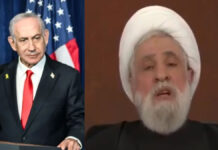
Senior leader Hassan Fadlallah stated that the group’s response will depend on Israel’s commitment to fully cease hostilities.
He confirmed that Hezbollah was informed of the potential truce through Iran’s diplomatic channels in Beirut.
Background: Decades of Conflict
Tensions between Israel and Lebanon have persisted for decades, fueled by territorial disputes, cross-border attacks, and the involvement of armed groups.
The latest escalation intensified after Hezbollah launched rockets, missiles, and drones targeting Israeli defense sites near Haifa in early March. Israel responded with extensive airstrikes in Beirut’s suburbs and southern Lebanon, further destabilizing the region.
Ceasefire as a “Testing Window”
Diplomatic sources describe the 10-day truce as a confidence-building measure. If both sides adhere to the agreement, it could open the door to extended negotiations and potentially a more durable peace arrangement.
US officials, including Vice President JD Vance and senior military leadership, have been tasked with overseeing the process and coordinating with both governments.
Broader Regional Context
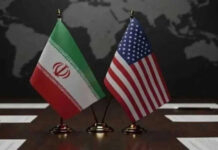
The ceasefire comes amid wider geopolitical tensions in the Middle East, including ongoing diplomatic efforts involving the US and Iran.
Analysts suggest that successful implementation of this truce could have ripple effects across the region, potentially easing broader conflicts and encouraging multilateral dialogue.
However, challenges remain, particularly regarding trust deficits, ongoing military activity, and the role of non-state actors like Hezbollah.
What Happens Next?
The next 10 days will be critical. Observers will closely monitor:
- Compliance with ceasefire terms
- Reduction in cross-border attacks
- Willingness for direct negotiations
- Role of international mediators
If the ceasefire holds, it could mark a turning point in one of the Middle East’s longest-running conflicts. If it fails, the region risks sliding back into escalation.