WASHINGTON, D.C. — June 3, 2026
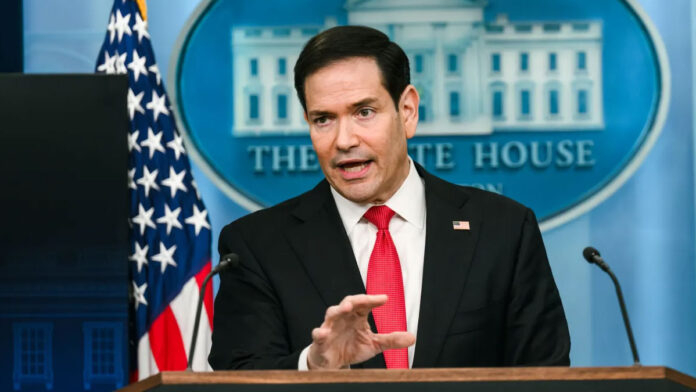
Strait of Hormuz Blockade concerns intensified after U.S. Secretary of State Marco Rubio accused Iran of engaging in unlawful actions against commercial shipping and contributing to disruptions along one of the world’s most critical maritime trade routes.
Speaking about the ongoing tensions in the Gulf region, Rubio argued that the current blockade situation stems from Iran’s actions toward commercial vessels operating in international waters.
According to the U.S. secretary of state, the restrictions on maritime traffic could have been avoided if Iran had fulfilled commitments related to reopening the Strait of Hormuz following ceasefire discussions.
Rubio Criticizes Iran’s Conduct
Rubio stated that the primary reason behind the ongoing disruption is Iran’s alleged targeting of commercial shipping vessels.
He suggested that Tehran’s strategy appears to be based on the belief that if international vessels cannot freely navigate the route, Iranian vessels would also face restrictions, creating leverage in broader geopolitical negotiations.
The secretary of state described such actions as unlawful and contrary to international maritime norms.
According to Rubio, there is broad international opposition to any attempts to interfere with freedom of navigation in the strategically important waterway.
Why the Strait of Hormuz Matters
The Strait of Hormuz is one of the world’s most important energy transit corridors, connecting the Persian Gulf to global markets.
A significant percentage of the world’s crude oil exports and liquefied natural gas shipments pass through the narrow passage each day. Any disruption to traffic in the strait can have immediate consequences for global energy prices, shipping costs, and international trade.
Economists have repeatedly warned that prolonged restrictions in the region could increase transportation expenses, fuel costs, and inflationary pressures worldwide.
International Concerns Grow
Governments and international organizations have expressed concern about the impact of maritime disruptions on global supply chains and energy security.
Shipping companies, energy traders, and importing nations are closely monitoring developments, particularly as tensions in the Middle East continue to affect trade routes and regional stability.
Analysts note that maintaining open access to international waterways remains a key priority for the global economy.
Diplomatic Efforts Continue
Despite the escalating rhetoric, diplomatic channels remain active as international stakeholders seek to prevent further deterioration in regional security.
The United States and its allies continue to emphasize freedom of navigation and adherence to international maritime law, while discussions involving Iran and regional actors remain ongoing.
Observers believe the coming weeks could prove critical in determining whether diplomatic efforts can reduce tensions or whether further disruptions to maritime traffic will occur.
Global Economic Impact in Focus
Any prolonged disruption in the Strait of Hormuz would likely have implications far beyond the Middle East.
Countries heavily dependent on imported energy supplies could face higher costs, while global markets may experience increased volatility if shipping routes remain under pressure.
As a result, policymakers around the world are watching developments closely, recognizing the strategic importance of maintaining stability in one of the world’s most vital maritime corridors.