Mumbai, India — April 23, 2026
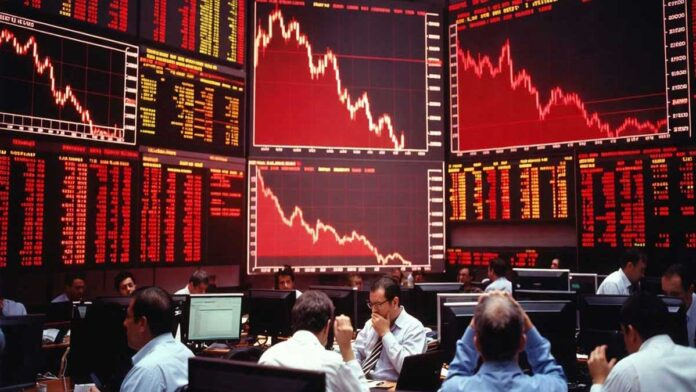
Indian equity markets opened sharply lower on Thursday, reflecting investor concerns over rising global tensions and surging crude oil prices.
As of early trade, the Nifty 50 was down around 173 points (0.71%) at 24,204, while the BSE Sensex dropped over 608 points (0.78%) to trade near 77,907.
Key Factors Behind the Market Decline
Rising Crude Oil Prices
Global benchmark Brent Crude has surged past $100 per barrel, raising concerns about inflation and input costs for businesses.
🌍 Geopolitical Tensions
Escalating tensions between United States and Iran, along with reported disruptions near the Strait of Hormuz, have weighed heavily on global investor sentiment.
📊 Weak Global Cues
Early signals from GIFT Nifty indicated a sharp decline of 160–240 points, leading to a gap-down opening in domestic markets.
Sector Watch: IT Stocks Under Pressure
The IT sector remains under scrutiny after witnessing heavy selling in the previous session. Analysts expect continued pressure on technology stocks as global uncertainties persist.
F&O Ban and Earnings in Focus
- Shares of Steel Authority of India Limited are under Futures & Options (F&O) ban today.
- Investors are closely watching earnings from Tech Mahindra and Trent Limited, which could influence market direction.
Market Outlook
Market experts suggest that volatility may continue in the near term as investors track:
- Crude oil price movements
- Geopolitical developments
- Corporate earnings trends
While the broader trend remains sensitive to global cues, domestic factors such as earnings and policy signals could provide support at lower levels.