New Delhi | February 28, 2026
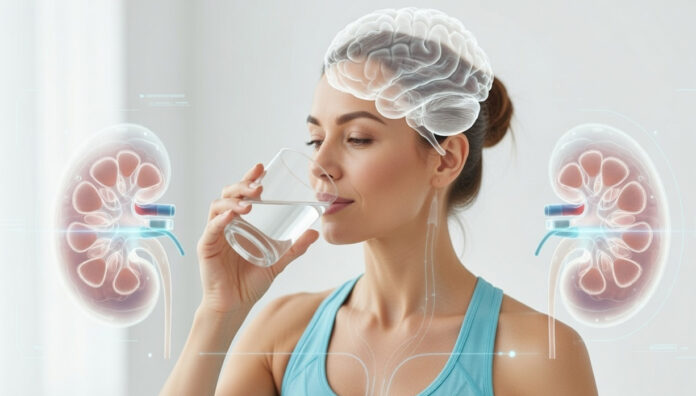
The human body is made up of nearly 70% water. More than vitamins, minerals, or calcium, water plays a central role in keeping organs functioning properly. Yet in today’s fast-paced lifestyle, many people fail to drink enough fluids, increasing the risk of dehydration and related health concerns.
Here’s what happens when your body doesn’t get adequate water.
1. Dry Mouth and Bad Breath
Low water intake reduces saliva production, leading to dry mouth. Saliva helps control harmful bacteria in the mouth. When hydration levels drop:
Bacteria multiply more quickly
Bad breath can develop
Oral health may decline
Regular hydration supports natural cleansing inside the mouth and helps maintain fresher breath.
2. Impact on Hair and Scalp Health
Proper hydration supplies the scalp and hair roots with essential nutrients.
When the body lacks water:
The scalp becomes dry
Hair may lose strength
Increased hair breakage and shedding can occur
Sudden hair fall can sometimes signal dehydration. Staying hydrated supports overall scalp health and hair resilience.
3. Effects on Blood Circulation
Water plays a key role in maintaining healthy blood flow. Insufficient intake may:
Slow circulation
Reduce hemoglobin levels
Contribute to fatigue and weakness
Low hemoglobin can increase the risk of anemia, which is associated with dizziness, low energy, and reduced stamina. Adequate hydration helps maintain blood volume and circulation efficiency.
4. Brain Function and Mental Health
The brain depends heavily on proper hydration.
Dehydration may lead to:
Frequent headaches
Increased mental strain
Mood swings and irritability
Heightened stress levels
Even mild dehydration can affect concentration and cognitive performance. Drinking water regularly throughout the day helps maintain mental clarity and emotional balance.
5. Energy Levels and Metabolism
Water acts as fuel for the body’s metabolic processes. Without sufficient hydration:
Fatigue and sluggishness may occur
Physical performance may decline
Cells function less efficiently
Adequate water intake supports cellular health and helps sustain steady energy levels.
6. Skin and Premature Aging
Hydration directly affects skin elasticity. When water levels drop:
Skin may appear dry and dull
Elasticity decreases
Fine lines may become more noticeable
Proper hydration helps flush toxins from the body and supports a natural glow.
Why Hydration Matters for Kidney Health
The kidneys rely on water to filter waste effectively. Chronic dehydration can increase the risk of:
Kidney stones
Urinary tract infections
Reduced kidney efficiency
Drinking sufficient water supports detoxification and healthy kidney function.
Persistent fatigue
Headaches
Dry mouth
Dark-colored urine
Dizziness
Reduced concentration
If these symptoms persist, increasing daily fluid intake may help. Individuals with medical conditions should consult a healthcare professional for personalized guidance.
How Much Water Should You Drink?
While needs vary by age, activity level, and climate, many health experts recommend roughly 8–10 cups (about 2–2.5 liters) daily for most adults. Physical activity, hot weather, or illness may increase requirements.
The Bottom Line
Dehydration affects far more than thirst. It can influence brain performance, blood circulation, kidney function, energy levels, and skin health. Making water intake a daily priority is one of the simplest and most effective steps toward overall wellness.