New Delhi, India – May 28, 2026
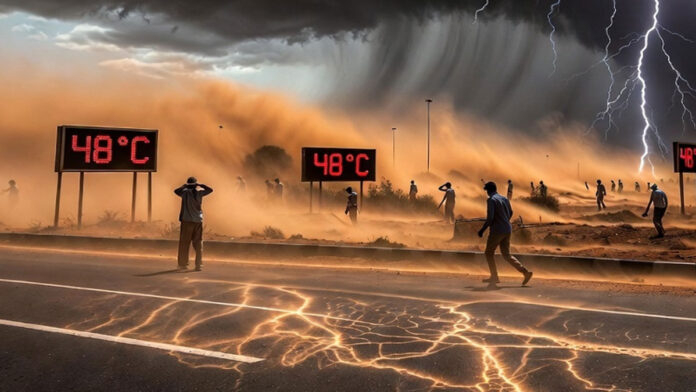
North India Heatwave 2026 has pushed millions of people across the region into severe distress as temperatures continue to soar beyond dangerous levels during the peak of the Nautapa period. From Rajasthan and Delhi to Uttar Pradesh, Haryana, and Madhya Pradesh, scorching heat and powerful hot winds have disrupted normal life, forcing authorities to issue health advisories and emergency preparedness measures.
The India Meteorological Department (IMD), however, has offered a ray of hope by forecasting a fresh western disturbance that may bring rainfall, thunderstorms, gusty winds, and a significant drop in temperature over the next few days.
Prime Minister Narendra Modi has also reviewed the worsening heatwave conditions and directed all concerned ministries and state governments to remain on high alert to protect citizens from the severe weather emergency.
Rajasthan’s Sri Ganganagar Becomes Hottest Place in India
The heatwave has reached alarming levels across North India. Rajasthan’s Sri Ganganagar recorded the highest temperature in the country at 48.2 degrees Celsius, while Banda in Uttar Pradesh registered 47.8 degrees Celsius, making it one of the worst-hit districts.
Several parts of Delhi-NCR, Haryana, Chandigarh, and Madhya Pradesh witnessed temperatures ranging between 44°C and 46°C, combined with intense hot winds that made outdoor movement nearly impossible during afternoon hours.
Meteorologists stated that temperatures above 45°C fall under the “heatwave” category, while temperatures crossing 47°C are considered “severe heatwave” conditions. Large parts of North India are currently experiencing this dangerous category of extreme weather.
Why Is This Year’s Nautapa Heat So Severe?
Weather experts believe this year’s Nautapa period has become unusually intense due to dry atmospheric conditions, lack of cloud cover, and prolonged exposure to strong solar radiation over northern plains.
The absence of significant pre-monsoon rainfall in recent weeks has further intensified heat accumulation across urban and rural regions. In many cities, roads appeared deserted during daytime hours as residents avoided stepping outside under direct sunlight.
Outdoor workers including construction laborers, delivery personnel, street vendors, and rickshaw drivers remain among the most vulnerable groups affected by the heatwave.
Hospitals in several states have also reported an increase in cases related to dehydration, heat exhaustion, dizziness, and heatstroke symptoms.
Western Disturbance May Bring Major Weather Change
According to the IMD, a fresh western disturbance is becoming active from Thursday onward and may begin affecting weather patterns across North India by Friday.
The department has forecast:
- Light to moderate rainfall
- Thunderstorms with lightning
- Dust storms and gusty winds
- Temporary cloud cover
- A temperature drop of 6°C to 8°C in several states
Meteorologists said this weather system could provide temporary relief from the brutal heatwave conditions currently affecting millions of residents.
However, experts also cautioned that the cooling phase may remain short-lived, and temperatures could rise again in early June once the western disturbance weakens.
Delhi and Uttar Pradesh on High Weather Alert
The IMD has issued fresh alerts for several districts in Uttar Pradesh between May 28 and May 31, warning of pre-monsoon rainfall activity and intense thunderstorms.
Districts including:
- Ghaziabad
- Hapur
- Saharanpur
- Meerut
- Muzaffarnagar
may witness strong winds, lightning activity, and isolated hailstorms.
A red alert has also been issued for parts of western Uttar Pradesh on May 29, where storm speeds could reportedly touch 100 kilometers per hour.
In Delhi-NCR, weather officials expect strong winds and light rainfall accompanied by dust storms. Authorities warned that sudden weather changes could lead to falling trees, reduced visibility, and localized power disruptions.
PM Narendra Modi Reviews Heatwave Situation
Prime Minister Narendra Modi expressed serious concern over the ongoing heatwave and urged all ministries and state administrations to stay fully prepared.
During a high-level cabinet review meeting, the Prime Minister emphasized the need for coordinated efforts to protect citizens from the worsening weather conditions.
He directed the Ministry of Health and the Ministry of Jal Shakti to ensure uninterrupted access to drinking water, emergency medical treatment, and public awareness campaigns regarding heatstroke prevention.
PM Modi also appealed to citizens to avoid unnecessary exposure to direct sunlight during peak afternoon hours and advised people to consume sufficient water and fluids to stay hydrated.
Doctors Issue Public Health Advisory
Medical experts have advised residents across affected states to take strict precautions during the ongoing heatwave emergency.
Doctors recommended:
- Avoiding outdoor exposure between noon and 4 PM
- Wearing light-colored cotton clothing
- Covering the head while traveling outdoors
- Drinking water frequently even without feeling thirsty
- Avoiding excessive tea, coffee, and alcohol consumption
- Taking immediate medical help if symptoms like dizziness or nausea appear
Children, senior citizens, and individuals with existing health conditions have been identified as high-risk groups during the extreme weather event.
Power Demand and Water Consumption Reach Record Levels
The rising temperatures have also increased pressure on electricity grids and water supply systems across several cities.
Power consumption in many North Indian states reportedly touched record levels as households and commercial establishments relied heavily on air conditioners and cooling systems.
Authorities in some urban regions have started monitoring water availability closely amid rising demand and fears of supply shortages if the heatwave persists into June.
Can Rainfall End the Heatwave Completely?
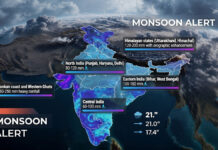
While the approaching western disturbance is expected to provide temporary relief, weather scientists believe North India may continue witnessing fluctuating temperatures until the full onset of the southwest monsoon.
Experts stated that pre-monsoon systems can reduce temperatures for short periods but may not completely eliminate heatwave conditions during late May and early June.
Citizens have therefore been advised to continue following safety guidelines even after rainfall begins.
Conclusion
The North India Heatwave 2026 has emerged as one of the most severe early summer weather events in recent years, with temperatures crossing life-threatening levels across multiple states. As the IMD predicts rainfall and thunderstorms due to a fresh western disturbance, millions of residents are hoping for immediate relief from the relentless heat.
Authorities, health experts, and the central government continue urging people to remain cautious, hydrated, and prepared as weather conditions remain unstable across the region.
Read more breaking weather updates, IMD alerts, and India climate news for the latest