
WASHINGTON, D.C. — June 3, 2026
Iran Missile Attacks and renewed military activity have intensified tensions across the Middle East, even as diplomatic efforts continue between regional powers and international stakeholders.
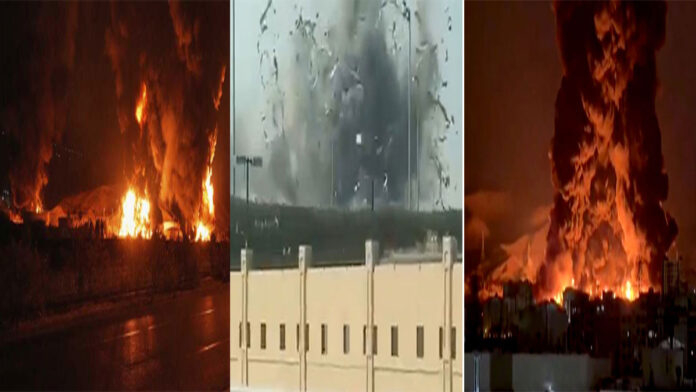
According to statements attributed to U.S. officials, American forces and regional allies intercepted multiple missiles allegedly launched by Iran toward neighboring countries, while U.S. military operations reportedly targeted Iran’s Qeshm Island in a retaliatory response.
The developments come amid a rapidly evolving security situation in West Asia, where diplomatic negotiations and military confrontations continue to unfold simultaneously.
Trump Claims Progress on Regional De-Escalation
U.S. President Donald Trump has claimed that his diplomatic intervention helped halt hostilities between Israel and Hezbollah.
According to Trump, Israel would refrain from launching attacks on Beirut while Hezbollah would stop cross-border rocket fire. He also suggested that negotiations between the United States and Iran were approaching a final stage and that a potential peace agreement remained under discussion.
However, reports emerging shortly after those comments indicated continued security incidents in the region.
Israeli defense forces reportedly intercepted two rockets launched from Lebanese territory, highlighting the fragile nature of any potential ceasefire arrangements.
Iran Yet to Approve Proposed Peace Framework
Despite reports of ongoing diplomatic engagement, Iran has not formally accepted a proposed U.S.-backed peace framework.
Sources familiar with the discussions suggest that Tehran is seeking concrete action on sanctions relief and security guarantees before agreeing to any broader diplomatic settlement.
Analysts note that Iranian officials have consistently emphasized the need for measurable commitments rather than political assurances alone.
US Reports Missile Launches Toward Kuwait and Bahrain
In a separate development, U.S. Central Command (CENTCOM) stated that Iranian missile and drone activity targeted countries across the Gulf region.
According to the military statement, Iran launched several ballistic missiles toward regional neighbors as part of a broader wave of attacks. CENTCOM said the missiles failed to reach their intended targets.
The command further stated that two missiles directed toward Kuwait either malfunctioned, fell short, or were destroyed before reaching their destination.
Meanwhile, three missiles reportedly launched toward Bahrain were intercepted by a combination of U.S. and Bahraini air defense systems.
No immediate reports of casualties or significant damage were released in connection with the alleged attacks.
Reported US Response on Qeshm Island
American officials also claimed that U.S. forces carried out a response operation targeting Iran’s Qeshm Island following the reported missile launches.
Details regarding the scale, objectives, and impact of the operation were not immediately disclosed.
Independent verification of battlefield claims from all parties remains limited, and the situation continues to evolve.
Military analysts caution that retaliatory actions can increase the risk of broader regional escalation, particularly in a region already facing multiple security challenges.
Regional Security Concerns Remain High
The latest developments underscore growing concerns about stability in the Gulf and wider Middle East.
The region remains strategically important due to its role in global energy supplies, international shipping routes, and geopolitical alliances. Any escalation involving Iran, Gulf states, the United States, or Israel has the potential to affect energy markets and regional security dynamics.
Diplomatic channels remain active, but recent military incidents demonstrate the challenges facing efforts to reduce tensions and achieve lasting stability.
What Comes Next?
International attention is now focused on whether ongoing diplomatic negotiations can prevent further escalation.
While political leaders continue to discuss ceasefires, security arrangements, and potential agreements, military activity on the ground suggests that significant obstacles remain.
As regional governments and global powers monitor the situation, developments involving Iran, Gulf states, Israel, Hezbollah, and the United States are expected to remain at the center of international attention in the coming days.