Islamabad, Pakistan — April 8, 2026
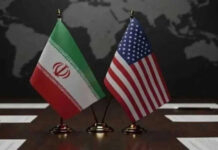
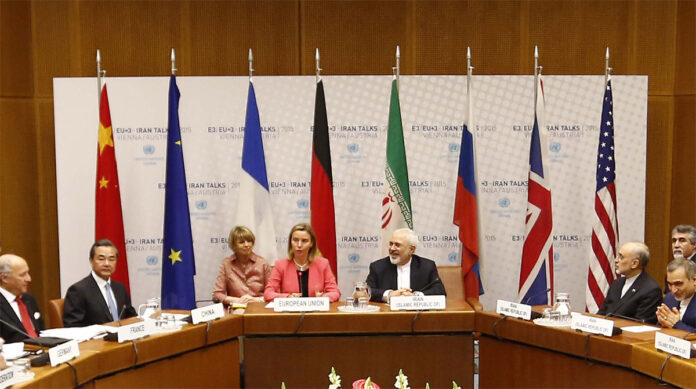
After nearly six weeks of escalating conflict, the United States and Iran have agreed to a ceasefire, with Pakistan playing a key mediating role. Diplomatic efforts are now shifting toward formal negotiations, with both sides invited to high-level talks in Islamabad on April 10.
The development is being viewed as a significant step toward de-escalation in a region that has faced sustained geopolitical tension in recent weeks.
Pakistan Leads Mediation, Invites Leaders for Talks
According to reports, Pakistan has formally invited delegations from both Washington and Tehran to participate in peace talks aimed at resolving ongoing disputes.
Shehbaz Sharif shared details of the ceasefire and upcoming talks via social media, stating that the agreement reflects a shared willingness to pursue diplomatic solutions.
He added that the proposed Islamabad meeting is intended to facilitate direct dialogue and help both sides reach a comprehensive settlement.
Key US Officials Likely to Attend
The high-level meeting is expected to include several prominent U.S. figures, including:
- JD Vance
- Steve Witkoff
- Jared Kushner
Reports suggest that Vice President Vance, currently on an international visit, may adjust his schedule to attend the Islamabad talks.
Iran Signals Preference for JD Vance
Diplomatic sources indicate that Iran may prefer engaging with JD Vance over other U.S. representatives. Concerns reportedly stem from earlier negotiations involving Witkoff and Kushner, which were followed by military escalation.
Iranian officials are believed to view Vance as a more balanced and pragmatic interlocutor, potentially increasing the chances of productive dialogue.
Background: Geneva Talks and Breakdown
Earlier diplomatic efforts in Geneva, mediated by Oman in February 2026, had shown initial signs of progress.
However, subsequent military actions involving the United States and Israel against Iranian targets led to a breakdown in trust. Iran described the developments as a breach of confidence and suspended further engagement with certain U.S. officials.
Outlook: Critical Window for Diplomacy
The upcoming Islamabad meeting is expected to play a pivotal role in determining whether the ceasefire can evolve into a long-term agreement.
With regional stability, global energy routes, and nuclear concerns at stake, the talks could mark a turning point in U.S.–Iran relations—provided both sides can overcome lingering mistrust and align on key issues.