Colombo, Sri Lanka — April 4, 2026
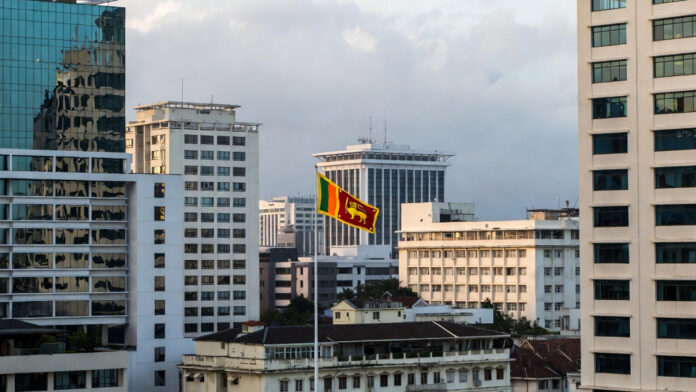
The government of Sri Lanka has officially reversed its earlier decision to privatize several major state-owned enterprises, informing the Supreme Court of Sri Lanka of the policy shift.
The announcement was made by Attorney General Parinda Ranasinghe Jr. before a three-judge bench, clarifying that key public sector entities will no longer be put up for sale.
Key State Firms to Remain Under Government Control
According to the submission, the government has decided to retain ownership of several major institutions, including:
- SriLankan Airlines
- Sri Lanka Telecom
- Sri Lanka Insurance Corporation
- Lanka Hospitals
These entities were previously considered for privatization as part of broader economic reforms.
Legal Challenge Triggered Policy Clarification
The government’s clarification came during hearings on a petition challenging a cabinet decision taken under former President Ranil Wickremesinghe.
The petition questioned the legality and implications of selling strategic national assets, prompting judicial scrutiny of the earlier policy.
IMF Conditions and Economic Pressures
Sri Lanka’s earlier push toward privatization was linked to conditions under its bailout program with the International Monetary Fund (IMF), which emphasized reducing losses from state-owned enterprises.
While the government has now stepped back from outright sales, economic analysts note that pressure to reform loss-making entities remains, given the country’s ongoing financial recovery efforts.
Policy Shift Signals Balancing Act
The reversal reflects a broader balancing act between meeting international financial commitments and addressing domestic political and public concerns over the sale of national assets.
Experts suggest that while privatization may be paused, alternative restructuring or efficiency measures could still be pursued in line with IMF expectations.