WASHINGTON, D.C. — June 1, 2026
US-Iran Crisis Enters New Phase as Trump Calls for Significant Revisions to Proposed Agreement
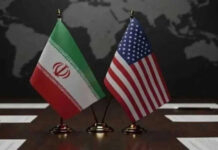
US-Iran Crisis negotiations have entered a new period of uncertainty after U.S. President Donald Trump reportedly requested substantial revisions to a proposed agreement with Iran. The move could delay ongoing diplomatic efforts and complicate attempts to ease tensions between the two countries.
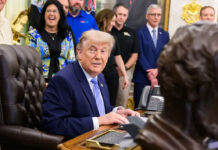
According to reports, Trump returned the draft agreement to his advisers and called for stronger commitments from Iran regarding its nuclear program. He also emphasized the importance of ensuring unrestricted access through the strategically vital Strait of Hormuz, a key global energy corridor.
The proposed changes have introduced fresh uncertainty over the timeline and future of the negotiations.
Trump Pushes for Tougher Nuclear Commitments
Sources familiar with the discussions indicate that Trump wants stricter provisions related to Iran’s nuclear activities.
The proposed revisions reportedly seek stronger guarantees regarding nuclear commitments and enhanced mechanisms to address concerns over uranium enrichment and nuclear oversight.
The administration has argued that any agreement must provide long-term assurances and prevent future disputes over Iran’s nuclear capabilities.
The tougher stance reflects Trump’s longstanding criticism of previous nuclear agreements involving Iran and his preference for more stringent conditions in any future deal.
Hormuz Strait Becomes a Key Negotiating Issue
Another major point of contention is the future status of the Strait of Hormuz.
The waterway remains one of the world’s most important energy transit routes, carrying a significant share of global oil and natural gas shipments. Any disruption in the region can have immediate consequences for international energy markets.
Trump has reportedly insisted that ensuring the full reopening and uninterrupted operation of the Strait of Hormuz should be a central component of any agreement.
The issue has gained added importance amid recent regional tensions and concerns over energy security in global markets.
Differences Remain Over Economic Relief
Economic provisions continue to be one of the most sensitive elements of the negotiations.
Reports suggest that Trump remains cautious about offering extensive economic relief measures to Iran. The administration is concerned that large-scale financial concessions could draw comparisons to earlier agreements that Trump has repeatedly criticized.
While U.S. officials have indicated that negotiations are aimed at reducing tensions and creating conditions for long-term stability, disagreements remain over how economic incentives should be structured.
Iranian officials, meanwhile, continue to view economic relief as a necessary component of any meaningful agreement.
No Final Decision After Extended Talks
Despite recent diplomatic efforts, negotiators have yet to reach a final breakthrough.
A high-level meeting that reportedly lasted approximately two hours ended without a final agreement. Following the discussions, Trump stated on social media that the United States wants Iran’s stockpile of highly enriched uranium to be transferred under international control and ultimately eliminated.
Iran has maintained that current talks are not focused on the technical details of its nuclear program and has continued to emphasize broader political and economic considerations.
The differing priorities of both sides have contributed to the ongoing impasse.
Iranian Leadership Signals Caution
Iranian officials have also taken a firm position regarding the proposed agreement.
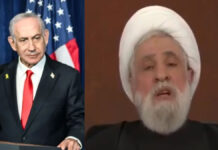
Mohammad Bagher Ghalibaf stated that Iran would not approve any agreement unless the country’s interests and rights are fully protected.
According to Iranian officials, guarantees and tangible benefits are essential components of any future arrangement. Tehran has emphasized that commitments must deliver measurable outcomes rather than relying solely on diplomatic assurances.
Questions Remain Over Practical Implementation
Some U.S. lawmakers have also raised concerns about the practicality of implementing certain provisions.
Chris Coons noted that while some of the proposed conditions may appear reasonable on paper, enforcing them—particularly those related to the Strait of Hormuz—could prove challenging in practice.
Experts say the complexity of regional security dynamics, international shipping routes, and geopolitical considerations may make implementation difficult even if a final agreement is reached.
Future of the Agreement Remains Unclear
Negotiations between Washington and Tehran are continuing, with both sides still discussing the language and structure of a potential deal.
However, Trump’s request for significant revisions has complicated the diplomatic process and created fresh uncertainty regarding when—or whether—a final agreement can be completed.
For now, officials on both sides appear committed to continuing discussions, but major differences remain over nuclear commitments, economic relief measures, and regional security requirements.
The coming weeks are expected to be critical in determining whether negotiators can bridge those gaps and move toward a mutually acceptable agreement.