Riyadh / Washington — April 14, 2026
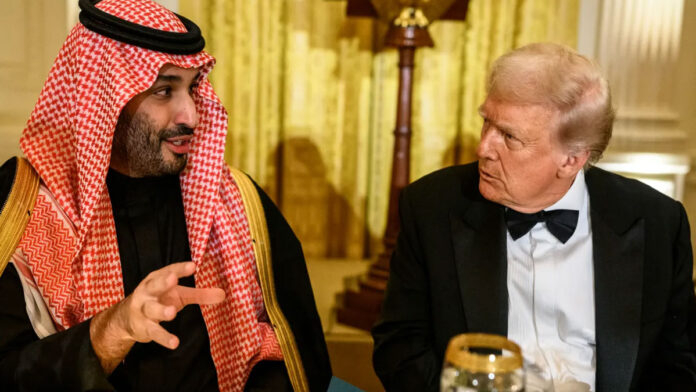
Saudi Arabia is intensifying diplomatic pressure on the United States to roll back its naval blockade in the Strait of Hormuz, warning that the move could trigger a broader regional crisis and disrupt global oil supplies.
The blockade, ordered by Donald Trump following failed negotiations with Iran, has already begun impacting energy markets and raising fears of retaliation across key maritime routes.
Oil Chokepoints at Risk


Saudi officials are particularly concerned that Iran could escalate tensions by targeting another critical chokepoint — the Bab el-Mandeb Strait — through its allied Houthi forces in Yemen.
Risk of a Wider Energy Shock
The Strait of Hormuz handles a significant share of global oil shipments, and disruptions have already reduced flows by an estimated 13 million barrels per day, pushing oil prices above $100 per barrel.
Saudi Arabia fears that if tensions spill into the Red Sea, global energy supply chains could face a dual chokepoint crisis, amplifying price shocks and market volatility.
Saudi Arabia’s Strategic Concerns
While Saudi Arabia has redirected some exports through pipelines to the Red Sea port of Yanbu, officials acknowledge that these alternatives remain vulnerable to regional instability.
The risk is compounded by past incidents involving Houthi movement, which previously disrupted maritime traffic during the Gaza conflict, significantly reducing shipping volumes in the region.
Diplomatic Push for De-escalation
Gulf states are now urging renewed negotiations between Washington and Tehran, signaling openness to mediation if both sides show flexibility.
White House spokeswoman Anna Kelly said President Trump is in active contact with allies to ensure the free flow of global energy supplies.
Meanwhile, Iranian adviser Ali Akbar Velayati warned that the Red Sea chokepoint could be “weaponized” in response to US actions, further escalating tensions.
Global Stakes Intensify
The unfolding crisis highlights the fragile balance of global energy security, with two of the world’s most critical maritime routes under threat:
- Strait of Hormuz
- Bab el-Mandeb Strait
Experts warn that simultaneous disruptions could:
- Drive oil prices sharply higher
- Trigger global inflation
- Disrupt trade and shipping routes
- Impact economies worldwide
Broader Military and Geopolitical Context
The crisis is also linked to ongoing US military actions targeting Houthi forces and broader tensions with Iran, increasing the risk of a multi-front regional escalation.
Analysts say the situation reflects a growing divide between military strategy and diplomatic efforts, with Gulf allies pushing for stability while tensions continue to rise.
Outlook: A Critical Moment for Global Energy
With oil markets already reacting and geopolitical tensions intensifying, the coming days will be crucial in determining whether diplomacy can prevent a wider crisis.
For now, Saudi Arabia’s urgent appeal underscores the high stakes — not just for the Middle East, but for the entire global economy.