NEW DELHI, India — June 22, 2026
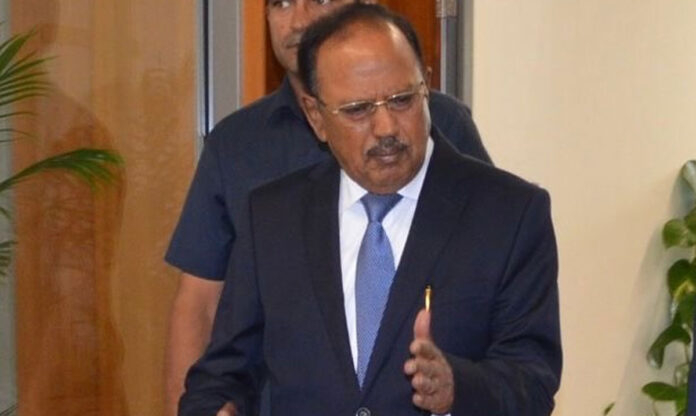
The BRICS NSA Meeting 2026 opens in India on Monday with National Security Advisor Ajit Doval chairing a two-day gathering of top security officials from the bloc, a meeting expected to focus on terrorism, emerging technology risks, and wider geopolitical tensions — while also drawing close attention for what it could signal on the unresolved India-China border dispute.
The 16th meeting of BRICS National Security Advisers and High Representatives on National Security comes ahead of the BRICS summit planned for September and is being seen as a key platform for building political and strategic convergence among member states. But this year’s gathering in New Delhi carries added diplomatic weight because of the expected presence of Chinese Foreign Minister and top foreign affairs official Wang Yi, whose visit comes against the backdrop of continued friction along the Line of Actual Control (LAC).
According to recent announcements from Beijing and Indian media reports, Wang Yi is scheduled to attend the June 22–23 meeting at the invitation of Ajit Doval, underscoring the importance both sides attach to the BRICS format even as bilateral tensions remain unresolved.
What Is on the Agenda at the BRICS NSA Meeting?
The official agenda is centered on non-traditional security challenges, including counterterrorism cooperation, the misuse of emerging technologies, cyber and information security risks, and broader shifts in the global security environment. The meeting is also expected to review the work of BRICS joint working groups dealing with terrorism and the safe use of information and communication technologies.
The security conclave comes at a time when BRICS members are facing overlapping pressures — from cross-border militancy and regional instability to the strategic implications of artificial intelligence, digital surveillance risks, cyber vulnerabilities, and weaponized disinformation. Reports ahead of the meeting have also indicated that wider geopolitical issues, including conflict-related regional instability, are likely to feature in discussions among the member states.
For India, the platform is not just about broad multilateral coordination. It is also an opportunity to underline its long-standing security priorities, including a tougher international stance on terrorism, resilient digital infrastructure, and stronger norms for handling technology-linked threats.
Why Wang Yi’s Presence Makes This Meeting More Significant
While the BRICS NSA meeting is formally multilateral, much of the diplomatic attention is likely to center on the India-China dimension. Wang Yi’s visit to New Delhi is notable because it comes amid continuing efforts by both countries to stabilize ties after years of military tensions in eastern Ladakh.
India and China have held multiple rounds of diplomatic and military talks since the 2020 border crisis, and there has been movement at some friction points. But the broader dispute remains unresolved, and New Delhi has repeatedly maintained that bilateral ties cannot return to full normalcy unless peace and stability are fully restored along the border.
That is why the Doval-Wang Yi engagement on the sidelines of the BRICS meeting is being closely watched. Even if the formal agenda stays focused on collective security concerns, the optics of the two senior officials being in the same room — and potentially engaging beyond the plenary framework — are significant. It signals that both countries remain willing to keep communication channels open despite deep strategic mistrust.
India Likely to Hold Its Line on Depsang and Demchok
One of the key questions surrounding the meeting is whether India will use the occasion to reiterate its concerns over unresolved points along the LAC, especially Depsang and Demchok, two strategically sensitive areas that have remained central to the military standoff in eastern Ladakh.
India’s position has remained consistent: progress in the broader relationship must be linked to tangible restoration of peace on the border. That makes any high-level interaction with China politically and strategically sensitive. If border-related concerns are raised, New Delhi is expected to maintain its established line that disengagement and de-escalation are essential to rebuilding trust.
This is also why the BRICS NSA gathering is being viewed as more than a routine diplomatic meeting. It doubles as a test of whether China’s language of cooperation on multilateral platforms can translate into more meaningful movement on bilateral fault lines.
A Wider Geopolitical Layer to the Meeting
China’s approach to BRICS has increasingly been shaped by a broader geopolitical contest with the West, including trade friction, technology restrictions, and strategic competition with the United States and its allies. In that context, Beijing has strong reasons to present BRICS as a more cohesive non-Western platform capable of coordinating on global governance, economic strategy, and security questions.
India, however, has sought to avoid any framework that appears to sideline its own core concerns in the name of multilateral alignment. New Delhi has consistently signaled that cooperation within BRICS cannot come at the cost of ignoring unresolved security disputes, especially when they involve sovereignty and territorial stability.
That strategic divergence gives the New Delhi meeting an additional layer of importance. It is not only about drafting common language on terrorism, security, and technology. It is also about how far major BRICS members can align when their bilateral equations remain complicated.
Why the BRICS NSA Meeting Matters Ahead of the Summit
With the BRICS summit expected in September, the New Delhi meeting is likely to shape the diplomatic tone and strategic messaging heading into the leaders’ gathering. National security advisers and high representatives often help define the political contours of summit discussions, particularly on sensitive areas such as conflict management, strategic coordination, and collective responses to global crises.
For India, hosting the BRICS NSA meeting is a chance to set the agenda around security priorities that matter to the Global South while also reinforcing its own red lines on terrorism and border stability. For China, Wang Yi’s presence reflects an effort to stay actively engaged with India inside BRICS even as bilateral mistrust persists.
That is why the BRICS NSA Meeting 2026 is being watched not only as a security dialogue, but as a diplomatic barometer — one that could offer clues about the future of India-China engagement, the internal balance within BRICS, and the extent to which the bloc can build consensus on security in an increasingly fractured global order.