BÜRGENSTOCK, Switzerland / TEHRAN — June 22, 2026
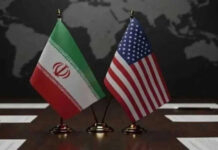
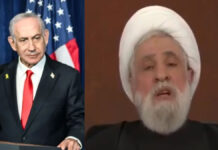
The latest round of US-Iran Talks was thrown into renewed uncertainty after U.S. President Donald Trump warned that Washington could strike Iran again if Tehran failed to rein in its allies in Lebanon, prompting a sharp response from senior Iranian negotiator Mohammad Bagher Ghalibaf, who said the Islamic Republic would not be intimidated by threats.
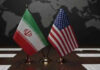
The exchange unfolded even as U.S. and Iranian officials were engaged in high-level talks in Bürgenstock, Switzerland, aimed at preserving a fragile diplomatic opening following a recent memorandum of understanding between the two sides. The talks, mediated by Qatar and Pakistan, have focused on reducing regional tensions, easing the risk of conflict in Lebanon, and setting a path for broader negotiations over sanctions, frozen assets, and Iran’s nuclear program.
Trump’s Warning Rekindles Tensions
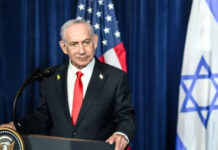
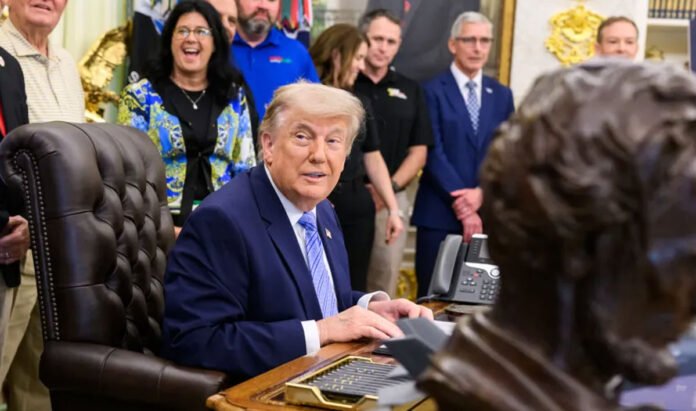
The fresh friction was triggered by a social media post from Trump shortly after talks got underway. In that post, the U.S. president warned Iran to immediately stop its allied groups in Lebanon from “causing trouble,” saying that if Tehran failed to do so, Washington would “hit Iran very hard again” — and more forcefully than before. Similar wording was also reported by NPR and other outlets covering the Bürgenstock talks.
The threat landed at a delicate moment. The Switzerland talks were supposed to build on a tentative diplomatic framework reached after recent conflict-linked tensions involving Iran, Israel, and Hezbollah. Instead, Trump’s remarks quickly raised doubts over whether the atmosphere required for serious negotiations still existed.
Iran’s Ghalibaf Fires Back
Reacting to the U.S. warning, Iranian negotiator Mohammad Bagher Ghalibaf said Washington should be careful about the language it uses toward Tehran. According to the account in your source material, Ghalibaf said Iran’s armed forces were prepared to respond and that U.S. pressure tactics had failed in the past and would fail again.
His remarks reflected a broader Iranian message: that Tehran does not intend to negotiate under threat. Iranian officials have repeatedly argued that military pressure and public ultimatums undermine the credibility of diplomacy, especially at a time when the talks are supposed to reduce the risk of a wider regional confrontation.
While the exact phrasing of Ghalibaf’s comments was circulated in regional reporting cited in your source material, the broader diplomatic context was also reflected in international coverage showing that Iran reacted angrily to Trump’s intervention during the Switzerland negotiations.
Iranian Delegation Reportedly Snubbed Joint Photo Opportunity
The diplomatic fallout was visible almost immediately. Iranian state-linked reporting, referenced in your copy, said Tehran’s delegation refused to participate in a planned joint photo session with U.S. officials after Trump’s comments. The move was framed by Iranian officials as a rejection of what they saw as a media spectacle at a moment of serious tension.
Your source material says the Iranian side had initially been expected to take part in a handshake and group photo before the talks formally advanced, but Ghalibaf and Iranian Foreign Minister Abbas Araghchi ultimately stayed away. Iranian officials reportedly told organizers they would not participate in any optics that could be used as a public relations exercise by Washington.
That decision highlighted how quickly symbolic moments can become politically sensitive in high-stakes diplomacy, particularly when both sides are trying to manage domestic audiences as well as international negotiations.
Talks Continue, but Trust Gap Is Obvious
Despite the flare-up, the talks did not collapse entirely. International reporting indicates that discussions resumed through mediators and that the U.S. and Iran still managed to complete a round of high-level meetings in Switzerland. Mediators later said the sides had agreed on a roadmap toward a possible final agreement within 60 days, including mechanisms tied to Lebanon and maritime security around the Strait of Hormuz.
Reuters reported that the Bürgenstock talks produced a framework for continued engagement, even though the opening phase was marked by sharp public rhetoric and a temporary Iranian walkout. That suggests neither side is ready to abandon diplomacy outright, but it also underlines how fragile the process remains.
Sanctions Relief, Frozen Assets and Lebanon Remain Core Fault Lines
One of the most important elements in the talks is the question of sanctions relief and access to frozen Iranian assets. According to the material you provided, Iranian officials have been pushing for the release of funds held abroad and for progress on easing restrictions on Iranian oil exports. Those issues are central to Tehran’s demands in any broader peace framework.
Reuters and other recent reporting indicate that the talks have indeed included discussion of oil waivers, frozen funds, and a future development plan for Iran, though no final settlement has been announced.
At the same time, the conflict in Lebanon continues to cast a shadow over the process. Iran has signaled that future progress could depend on whether Israeli military action against Hezbollah eases. That overlap between the Lebanon front and the U.S.-Iran track is one of the main reasons the negotiations remain so volatile: developments on the battlefield can quickly derail movement at the negotiating table.
Why the Latest Exchange Matters
The latest confrontation between Trump and Iranian officials matters because it exposes the central contradiction in the current diplomatic effort. On paper, the U.S. and Iran are trying to build a path toward de-escalation after a period of extreme regional tension. In practice, both sides are still speaking in the language of coercion, deterrence, and strategic signaling.
For Washington, the message appears to be that diplomacy will not come at the expense of pressure on Iran’s regional allies. For Tehran, the message is that it will not accept negotiations framed by military threats or public humiliation. That gap makes every round of talks vulnerable to collapse — even when both sides still see some value in staying at the table.
For now, the US-Iran Talks remain alive, but they are clearly under strain. The coming days will show whether mediators can keep the process moving forward or whether the latest exchange over Lebanon, sanctions, and military threats will deepen the mistrust that has long defined the relationship between Washington and Tehran.