New York, United States — April 17, 2026
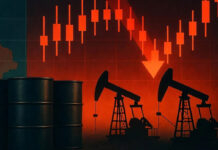
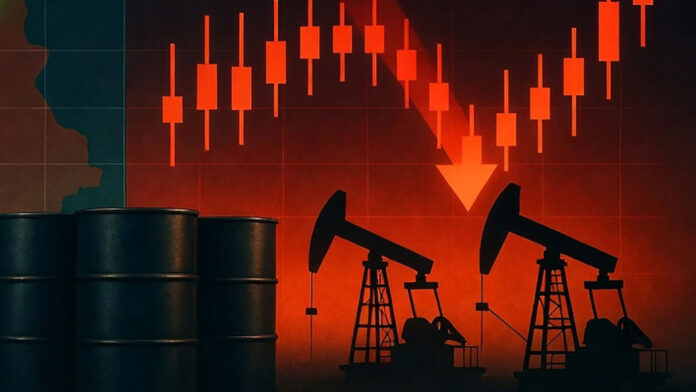
Global oil prices plunged sharply on Friday after Iran announced the full reopening of the Strait of Hormuz, a vital route for global energy shipments.
The move restored the flow of oil tankers through the Persian Gulf, easing fears of supply disruptions and reducing geopolitical tensions that had weighed heavily on markets.
U.S. benchmark crude dropped 10.8% to $81.28 per barrel, while Brent crude fell 10.3% to $89.13 per barrel. Despite the decline, Brent remains above pre-conflict levels, reflecting continued market caution.
Wall Street Extends Strong Gains
The sharp fall in oil prices boosted investor sentiment, pushing major U.S. stock indexes higher.
The S&P 500 rose 0.8%, while the Dow Jones Industrial Average jumped 678 points (1.4%). The tech-heavy Nasdaq Composite gained 1%.
Since late March, U.S. equities have climbed more than 11%, supported by easing inflation pressures and strong corporate earnings.
Corporate Earnings Support Rally
Positive earnings reports from major companies helped sustain market momentum:
- State Street Corporation shares rose 2.9% after stronger-than-expected results.
- Fifth Third Bancorp gained 1.9% following solid performance.
- However, Netflix fell 11.5%, despite beating profit expectations, as it did not raise its full-year revenue outlook. Co-founder Reed Hastings is also set to step down from the board in June.
Global Markets React
European markets responded positively to the development:
- France’s CAC 40 rose 2%
- Germany’s DAX gained 2.2%
Asian markets, however, closed lower as the announcement came after trading hours:
- Japan’s Nikkei 225 fell 1.8%
- Hong Kong’s Hang Seng Index dropped 0.9%
Bond Yields Fall as Inflation Pressure Eases
Falling oil prices also reduced inflation concerns, leading to a drop in bond yields.
The U.S. 10-year Treasury yield declined from 4.32% to 4.24%, reflecting increased demand for bonds amid improving economic outlook.
Outlook: Stability Hinges on Geopolitics
The reopening of the Strait of Hormuz is seen as a positive signal for global markets. Meanwhile, former U.S. President Donald Trump stated that the ongoing conflict should end soon, further boosting investor confidence.
However, analysts caution that market stability will depend on sustained oil supply and any official resolution of geopolitical tensions, as volatility has remained high since the conflict began.