
NEW DELHI, INDIA — May 26, 2026
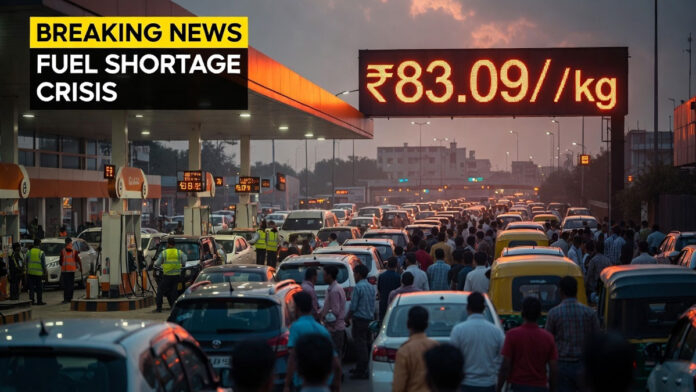
CNG Price Hike in Delhi-NCR has increased the financial burden on commuters and households after compressed natural gas prices in the national capital were raised by ₹2 per kilogram on Tuesday. With the latest revision, CNG prices in Delhi have crossed ₹83 per kg, marking the fourth increase within just 12 days amid rising global fuel costs and continued volatility in international energy markets.
The latest price revision comes at a time when consumers across India are already struggling with elevated petrol and diesel prices. Fuel retailers revised CNG prices across several cities in northern and western India, triggering concerns over higher transportation costs, increased public commute fares, and inflationary pressure on essential commodities. Industry observers say the repeated hikes are likely linked to global energy supply disruptions and rising crude oil prices due to geopolitical tensions in West Asia.
The increase is expected to directly impact millions of daily commuters, especially in cities like Delhi, Mumbai, Noida, Gurugram, and Faridabad, where a large portion of public transportation systems, including auto-rickshaws, taxis, buses, and app-based cab services, operate on CNG.
Latest CNG Prices in Major Indian Cities
The revised CNG prices released on Tuesday show sharp regional differences across India. While Delhi remains among the relatively lower-priced metro markets, several neighboring cities have already crossed the ₹90 mark.
| City | Latest CNG Price |
|---|---|
| Delhi | ₹83.09/kg |
| Noida | ₹91.70/kg |
| Ghaziabad | ₹102.90/kg |
| Gurugram | ₹84.12/kg |
| Faridabad | ₹90.30/kg |
| Kolkata | ₹93.50/kg |
| Chennai | ₹91.50/kg |
| Bengaluru | ₹90.00/kg |
| Hyderabad | ₹97.00/kg |
| Ahmedabad | ₹82.25/kg |
| Pune | ₹92.50/kg |
| Sonipat | ₹86.60/kg |
| Karnal | ₹85.43/kg |
| Lucknow | ₹95.75/kg |
| Agra | ₹95.75/kg |
| Meerut | ₹86.05/kg |
| Patna | ₹87.90/kg |
| Indore | ₹93.55/kg |
| Jaipur | ₹90.91/kg |
| Surat | ₹82.95/kg |
Fuel retailers have not ruled out additional revisions in the coming weeks if international energy prices continue to remain volatile.
Public Transport and Daily Commuters Likely to Feel the Heat
The repeated rise in CNG prices is expected to have a cascading effect on transportation expenses in major Indian cities. Auto-rickshaw unions and taxi operators have already indicated that fare revisions may become unavoidable if fuel costs continue to rise at the current pace.
In Delhi-NCR, thousands of commercial vehicles rely heavily on CNG because it has traditionally been considered a cleaner and more affordable alternative to petrol and diesel. However, with prices now crossing ₹83 per kg in the capital and touching nearly ₹103 in Ghaziabad, many drivers say their daily operating costs have risen sharply over the past few weeks.
Commuters may soon witness higher cab fares, increased school transport charges, and costlier public mobility services. Transportation experts believe logistics operators may also pass the additional burden onto consumers through increased freight charges. That could eventually impact the prices of fruits, vegetables, dairy products, and other essential goods transported by road.
Retail inflation concerns have also resurfaced as rising fuel prices often influence the broader supply chain. Economists warn that sustained increases in fuel costs can lead to higher input expenses for businesses, especially in sectors dependent on transportation and delivery networks.
Global Energy Tensions Driving Domestic Fuel Costs Higher
The latest round of fuel price hikes comes against the backdrop of prolonged geopolitical tensions in West Asia. International oil markets have remained volatile due to the ongoing standoff involving Iran and the United States, which has continued for nearly three months.
Global crude oil benchmarks have witnessed sharp upward movement in recent sessions, raising concerns among importing nations like India. Since India depends heavily on imported crude oil to meet domestic energy demand, fluctuations in international prices often translate into higher retail fuel costs at home.
Energy analysts say uncertainty in shipping routes, fears of supply disruptions, and increased geopolitical risk premiums are contributing to rising crude prices globally. As a result, domestic fuel distributors have been adjusting retail rates to align with higher procurement costs.
Reports of long queues outside fuel stations in several cities, including Delhi, Mumbai, Kolkata, Chennai, and parts of Uttar Pradesh, surfaced after recent fuel price revisions. Many consumers rushed to refill tanks amid speculation of further hikes.
Petrol and Diesel Prices Also Under Pressure
Alongside CNG, petrol and diesel prices have also witnessed upward movement in recent days. In several regions, retail petrol prices reportedly crossed the ₹100-per-liter mark for the first time this year, intensifying inflation concerns among consumers and businesses alike.
The simultaneous increase across petrol, diesel, and CNG has created a broader cost burden on households already dealing with elevated food prices and rising utility bills. Analysts say the transportation and logistics sectors remain particularly vulnerable because fuel constitutes a major operational expense.
Commercial fleet operators have urged authorities to consider temporary tax relief or pricing intervention measures to protect public transportation services from severe disruption. However, officials have not yet announced any immediate relief measures.
What Consumers Should Expect Next
Market experts believe fuel prices may remain volatile in the short term depending on international crude oil movements and geopolitical developments in the Middle East. If global oil prices continue to rise, domestic fuel distributors could implement further revisions across petrol, diesel, and CNG categories.
Consumers are increasingly exploring fuel-efficient alternatives and electric mobility options as traditional fuel expenses continue to climb. Industry insiders also expect greater demand for electric two-wheelers and hybrid vehicles if high fuel prices persist over the coming months.
For now, the latest CNG Price Hike in Delhi-NCR has added another layer of financial pressure on urban commuters, transport operators, and middle-class households already grappling with inflation. With transportation costs deeply connected to everyday living expenses, the impact of rising fuel prices is expected to be felt across multiple sectors of the economy in the coming weeks.
FAQs
1. What is the latest CNG price in Delhi today?
The latest CNG price in Delhi is ₹83.09 per kilogram after a fresh ₹2 increase.
2. Why are CNG prices rising in India?
CNG prices are increasing due to rising global energy costs, crude oil volatility, and geopolitical tensions in West Asia.
3. Which city has the highest CNG price currently?
Among the listed cities, Ghaziabad currently has one of the highest CNG prices at ₹102.90 per kg.
4. Will taxi and auto fares increase after the CNG hike?
Transport operators say fare revisions may become necessary if fuel prices continue rising.
5. How does the CNG price hike affect common consumers?
Higher CNG prices can increase transportation costs, delivery charges, and prices of daily essential goods.