KATHMANDU, Nepal — May 14, 2026
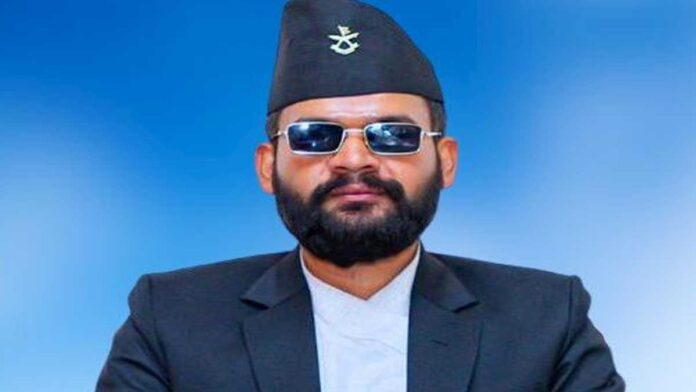
Political tensions escalated in Nepal on Wednesday after opposition parties disrupted parliamentary proceedings over the absence of Prime Minister Balen Shah during a key House session.
The growing confrontation forced the country’s House of Representatives to adjourn proceedings until Thursday morning after repeated protests and demands from opposition lawmakers for the prime minister to appear before Parliament.
Prime Minister Shah was expected to respond to questions raised by lawmakers regarding the government’s policy document. However, his absence from the chamber triggered sharp criticism from opposition parties, which accused the government of avoiding accountability.
Opposition Parties Demand Prime Minister’s Presence
Instead of the prime minister, Finance Minister Swarnim Wagle was assigned to answer questions related to the government’s policies. The move further intensified opposition protests inside the House.
Several opposition parties, including the Nepali Congress, the National Independent Party, and the Communist Party of Nepal, strongly objected to the arrangement and demanded that Prime Minister Shah personally address Parliament.
Political leaders argued that the country’s executive head should directly respond to lawmakers during such an important policy debate.
Calls for Resignation Intensify Political Pressure
During the heated session, opposition figures sharply criticized the government’s handling of the situation. Haraka Rai, chief of the Shram Sanskriti Party, reportedly went as far as demanding Prime Minister Shah’s resignation over his absence.
The protests led to repeated disruptions inside the chamber, forcing Speaker D. P. Aryal to intervene.
Aryal assured opposition lawmakers that he would raise the matter directly with the prime minister in an effort to ease tensions and restore normal proceedings.
Following continued protests, the Speaker officially adjourned the House session until 11 a.m. Thursday.
Lawmakers Question Government Accountability
Nepali Congress lawmaker Yogesh Gauchan criticized the prime minister’s absence, calling it surprising that the country’s executive leader did not attend Parliament to answer lawmakers’ questions.
The incident has added to growing political friction in Nepal, where opposition parties have increasingly pressed the government over transparency, accountability, and parliamentary participation.
Political analysts say the standoff could intensify debate over executive responsibility and parliamentary conduct in the coming days as lawmakers prepare for the next session.