New Delhi, India — April 17, 2026
India is facing growing concerns over a potential LPG shortage after supply chains were disrupted due to the ongoing conflict in the Middle East, particularly around the strategic Strait of Hormuz.
The situation has raised urgent questions about how long the LPG crisis could last, with no official timeline yet for a full recovery.
Global Conflict Hits Energy Supply Chains
The ongoing war in West Asia has significantly impacted global energy flows. The closure of the Strait of Hormuz—a key maritime route for oil and gas shipments—has disrupted supply worldwide.
In addition to blocked shipping lanes, several energy facilities in the region have reportedly suffered damage, further affecting production capacity.
This dual impact—on both transportation and production—has slowed down the entire LPG supply chain.
Why India Is Highly Vulnerable
India relies heavily on imports to meet its LPG demand:
- Nearly 60% of India’s LPG demand is met through imports
- Over 90% of these imports pass through the Strait of Hormuz
With the route disrupted, India is among the countries most exposed to supply shocks and delays.
15 Ships Stuck, Supply Chain Under Stress
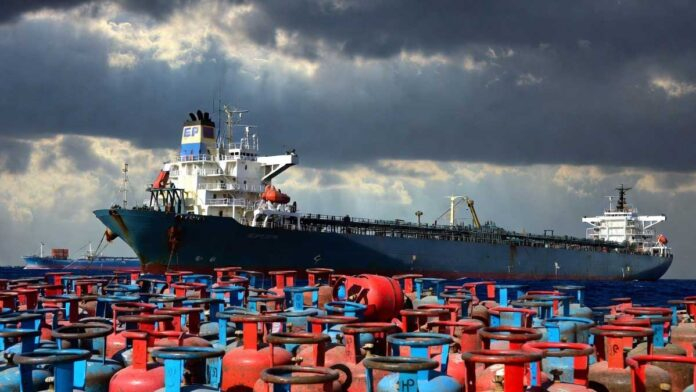
Reports indicate that around 15 LPG vessels are currently stranded near the Strait of Hormuz due to ongoing tensions.
This has created a backlog in deliveries, tightening supply and increasing pressure on domestic availability.
LPG Prices Rise Amid Supply Constraints
The supply crunch has already started impacting prices:
- Domestic LPG cylinder prices increased by around ₹60
- Commercial LPG cylinder prices surged by approximately ₹115
The price rise reflects both supply shortages and increased transportation risks.
When Will the LPG Crisis End?
There is currently no official timeline for normalization. However, based on prevailing conditions:
- Short-term recovery may take at least 1 month
- Full normalization could take up to a year, depending on:
- Reopening of the Strait of Hormuz
- Restoration of damaged energy infrastructure
- Stability in the geopolitical situation
Government Monitoring Situation Closely
The Indian government is actively working to manage the situation and ensure supply continuity. Measures may include:
- Exploring alternative supply routes
- Increasing strategic reserves
- Coordinating with global suppliers
Outlook: Uncertainty Remains High
The LPG crisis underscores India’s dependence on global energy routes and the risks posed by geopolitical disruptions.
Until tensions in the Middle East ease and supply chains stabilize, volatility in LPG availability and prices is likely to persist.