Ottawa, Canada | January 26, 2026
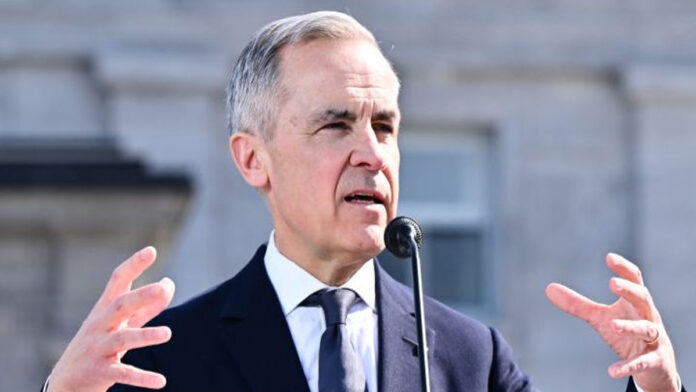
Canadian Prime Minister Mark Carney has made it clear that Canada has no intention of pursuing a free trade agreement with China, distancing his government from speculation following recent tariff adjustments between Ottawa and Beijing.
The clarification came after US President Donald Trump warned that the United States could impose 100% tariffs on Canadian goods if Canada were to sign a free trade deal with China.
Carney Clarifies Canada’s China Policy
Speaking on Sunday, Carney said that recent discussions with China were limited to reducing tariffs in select sectors that had been affected over the past few years and do not amount to a free trade agreement.
“There is no intention to enter into a free trade deal with China or any other non-market economy,” Carney stated, emphasizing that Canada remains fully compliant with the US–Mexico–Canada Agreement (USMCA).
Under USMCA rules, member countries are required to notify the United States before negotiating free trade agreements with non-market economies, Carney added.
Trump’s Strong Reaction
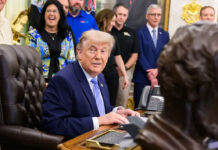
Donald Trump reacted sharply on social media, claiming, “China is slowly and completely taking over the once great Canada. Very sad. I just hope they don’t mess with ice hockey!”
In response, Carney reiterated that Canada has not violated USMCA obligations and has only sought to resolve trade disputes that emerged in recent years.
What Triggered the Dispute?
In 2024, Canada mirrored US trade actions by imposing:
100% tariffs on Chinese electric vehicles
25% tariffs on Chinese steel and aluminum
China retaliated with:
100% tariffs on Canadian canola oil and meat
25% tariffs on Canadian seafood
During Carney’s recent visit to China, the two sides agreed to reduce the 100% EV tariff to 6.1%, while China lowered tariffs on select Canadian products in return.
Electric Vehicle Import Cap and Investment Plan
Under the revised framework, imports of Chinese electric vehicles into Canada will be capped at 49,000 units annually, gradually increasing to around 70,000 units over five years. Carney noted that there was no cap earlier, and the new limit represents approximately 3% of total vehicle sales.
In exchange, China is expected to begin investing in Canada’s auto industry within the next three years, according to the prime minister.
US Concerns Over China’s Market Access
Trump later shared a video featuring the head of a Canadian auto association stating that Canada’s auto industry cannot survive without access to the US market.
“Canada is systematically destroying itself,” Trump said, calling the China arrangement a major threat and warning that Canadian companies are shifting operations to the United States.
US Treasury Secretary Scott Bessent also weighed in, stating that the US will not allow Canada to become a backdoor for Chinese goods entering the American market at low cost.
Rising US–Canada Tensions
Carney’s remarks echo his earlier comments at the World Economic Forum in Davos, where he said, “Middle powers must work together—because if you’re not at the table, you’re on the menu.”
The statement came amid escalating tensions with Washington, including Trump’s controversial comments about buying Greenland and a social media post sharing a mock map showing Canada, Greenland, Venezuela, and Cuba as part of the United States.