New York, United States — April 13, 2026
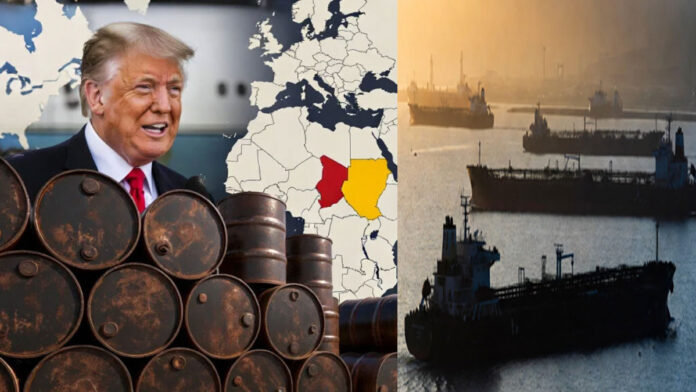
Global oil markets surged sharply after the United States announced a blockade of Iranian ports, raising fears of supply disruptions and renewed instability in global trade flows.
Benchmark crude prices jumped significantly in early trading following the announcement. US crude rose nearly 8% to $104.24 per barrel, while Brent Crude Oil climbed over 7% to $102.29 per barrel, marking a sharp rebound above the $100 threshold.
Supply Shock Concerns Grip Markets
The move by the United States to block key Iranian ports has heightened concerns over oil supply constraints, particularly as Iran remains a significant player in global energy exports.
Market analysts warn that any prolonged disruption in shipments from the region could tighten supply chains and further elevate fuel prices worldwide.
Volatility Driven by Middle East Conflict
Oil prices have remained highly volatile in recent weeks due to ongoing tensions in West Asia. Prior to the outbreak of conflict earlier this year, Brent crude was trading near $70 per barrel. However, escalating geopolitical risks pushed prices above $119 per barrel at peak levels.
Just days before the latest escalation, prices had shown signs of stabilizing. On Friday, Brent crude for June delivery fell 0.8% to $95.20 per barrel, amid optimism surrounding potential peace talks.
Global Trade at Risk
The blockade raises fresh concerns about disruptions to critical shipping routes and energy supply chains. Experts caution that higher oil prices could translate into increased transportation costs, inflationary pressure, and slower global economic growth.
With tensions still unfolding, markets are expected to remain on edge, closely tracking diplomatic developments and any further escalation in the region.