WASHINGTON, D.C. — May 11, 2026
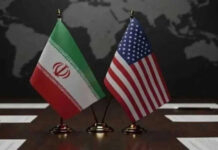
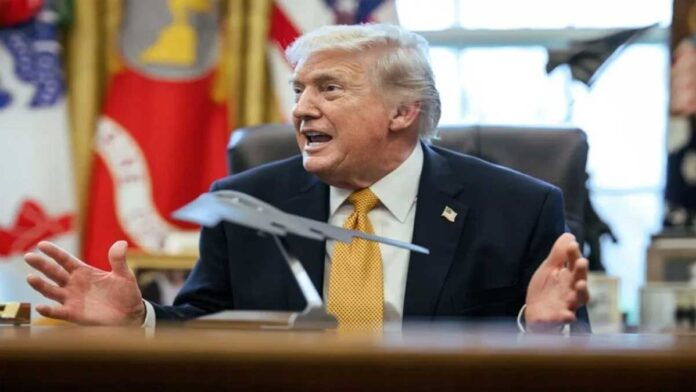
Tensions between the United States and Iran have escalated once again after President Donald Trump rejected Tehran’s response to a proposed ceasefire agreement, calling it “completely unacceptable.”
According to regional reports, Iran delivered its response to Washington through Pakistan amid ongoing diplomatic efforts to prevent a wider conflict in the Middle East. However, the White House declined to reveal which parts of Iran’s reply were considered unacceptable.
The latest diplomatic breakdown comes as concerns intensify over security in the Strait of Hormuz, rising drone attacks in the Gulf region and growing fears surrounding Iran’s nuclear program.
Iran Demands Permanent Peace and Maritime Security
Iranian officials said Tehran is seeking a permanent end to hostilities rather than a temporary ceasefire arrangement.
The Iranian position reportedly calls for broader regional stability extending beyond Iran’s borders, including peace efforts involving Lebanon and neighboring conflict zones. Tehran has also demanded guarantees for the protection of international maritime trade routes and oil supply corridors.
The US proposal reportedly included conditions related to reopening the strategic Strait of Hormuz and placing new limits on Iran’s nuclear activities.
The Strait of Hormuz remains one of the world’s most critical energy chokepoints, carrying a major share of global oil and gas shipments.
Trump Issues Sharp Warning to Tehran
President Trump intensified his rhetoric against Iran in a social media post, accusing Tehran of “playing games” with the United States for decades.
Meanwhile, US Ambassador to the United Nations Mike Waltz said Washington still wants diplomacy to be fully exhausted before considering any renewed military escalation.
On the Iranian side, newly elevated Supreme Leader Mojtaba Khamenei reportedly held emergency meetings with senior military commanders and instructed forces to continue taking “strong and decisive measures” against perceived threats.
Drone Incidents Increase Pressure Across Gulf Region
Regional tensions rose further after multiple drone-related security incidents were reported across the Gulf.
Authorities in Qatar confirmed that a vessel near its waters caught fire following a suspected drone strike. The United Arab Emirates and Kuwait also reported sightings of suspicious drones in their airspace.
The UAE claimed its defense systems intercepted and shot down two drones, blaming Iran for the incident. No casualties were reported.
Qatar described the attack on the vessel as “extremely dangerous,” warning that maritime trade routes and critical supply chains are increasingly vulnerable.
Kuwait’s military also confirmed drone activity but did not publicly identify the source.
Iran and allied groups including Hezbollah have previously been accused of carrying out drone operations during regional conflicts.
Iran Says Nuclear Facilities on High Alert
Iranian military officials said the country’s nuclear facilities are under maximum security protection amid fears of possible foreign infiltration or covert helicopter operations targeting enriched uranium stockpiles.
According to the United Nations nuclear watchdog, Iran currently possesses more than 440 kilograms of uranium enriched up to 60% purity — a level considered technically close to weapons-grade capability.
The growing concerns over Iran’s nuclear program have become a central issue in ongoing regional tensions.
Netanyahu Demands Removal of Enriched Uranium
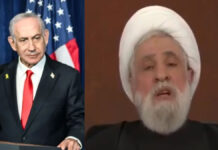
Israeli Prime Minister Benjamin Netanyahu maintained a hardline stance, saying the conflict cannot truly end unless Iran’s enriched uranium stockpile is removed from the country.
Netanyahu also claimed President Trump supports stronger action aimed at preventing Iran from advancing toward nuclear weapons capability.
At the same time, Russian President Vladimir Putin reiterated Moscow’s earlier proposal to temporarily store Iran’s enriched uranium inside Russia as part of a potential diplomatic compromise.
Iran Warns Against Foreign Presence in Hormuz
Another major dispute has emerged over proposals from France and the United Kingdom to establish an international maritime security mission in the Strait of Hormuz after the conflict ends.
Iran warned that any foreign naval force assisting US operations in the region would face an “immediate and strong response.”
French President Emmanuel Macron said the proposed mission would not be a military deployment but an international initiative focused on protecting maritime trade and commercial shipping.
Several attacks targeting commercial vessels have been reported in the Persian Gulf over the past week. South Korea also confirmed that one of its cargo ships was damaged by an explosion and fire near the Strait of Hormuz.
Officials have not yet identified who was responsible for the incidents.