Washington, D.C. / Beijing — May 16, 2026
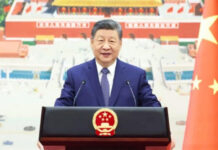
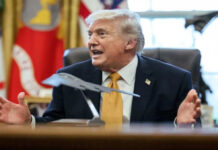
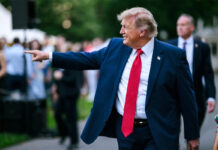
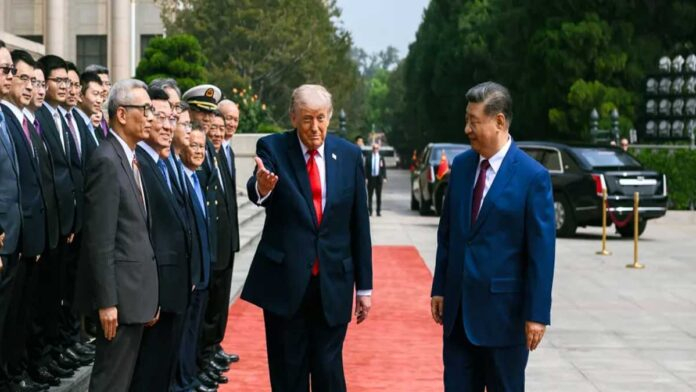
US President Donald Trump has described his latest summit with Chinese President Xi Jinping as a “G-2” meeting following his landmark visit to China, signaling what analysts see as a major diplomatic shift between the world’s two largest economies.
Speaking after returning to the United States from his first China visit in nine years, Trump said the high-level talks resulted in significant economic and strategic gains for Washington, including a major Boeing aircraft agreement and expanded agricultural trade commitments.
The visit, closely watched across global political and financial markets, marked the first major face-to-face summit between the two leaders since the October 2025 US-China trade framework agreement aimed at easing tariff tensions and restrictions on rare earth minerals.
According to Trump, China agreed to purchase 200 Boeing aircraft immediately, while discussions also included commitments for up to 750 additional planes in future phases. The US president also said Beijing pledged stronger cooperation on American agricultural imports, a move expected to benefit US farmers and exporters.
In an interview following his return, Trump characterized the meeting with Xi as a historic gathering between “two great nations,” calling it one of the most important diplomatic moments in recent years.
Political analysts noted that Trump’s public use of the term “G-2” effectively elevated China to equal strategic standing with the United States on the global stage — a symbolic achievement Beijing has long pursued in international diplomacy.
Taiwan Emerges as Central Flashpoint
Despite the economic breakthroughs, Taiwan remained the most sensitive and closely scrutinized issue during the summit.
Chinese state media reported that Xi Jinping warned the US administration that mishandling the Taiwan issue could seriously damage bilateral relations.
Trump, however, appeared to downplay immediate military risks. He stated that China does not currently seek full military control over Taiwan but instead wants to prevent the island from formally declaring independence.
The US president further claimed that Beijing would avoid military action against Taiwan during his presidency, although he acknowledged that future geopolitical risks could remain after his term.
Trump Avoids Direct Commitment on Taiwan Defense
During questions from reporters aboard Air Force One, Trump declined to directly answer whether the United States would militarily defend Taiwan if China launched an attack.
According to reports, Trump revealed that Xi Jinping personally raised the same question during their private discussions.
Trump said he intentionally avoided giving a public or definitive response, emphasizing that sensitive strategic matters are not openly discussed.
“The real answer is known by only one person — and that’s me,” Trump reportedly told journalists.
The comments are likely to fuel continued debate in Washington and across Asia over America’s long-term security commitments in the Indo-Pacific region.
Iran and Energy Cooperation Also Discussed
In addition to trade and Taiwan, Iran emerged as another major topic during the summit, with both sides reportedly finding areas of shared interest.
Trump claimed China expressed willingness to increase purchases of US oil and cooperate in diplomatic efforts linked to Iran-related negotiations. While Beijing has not officially confirmed those statements, the remarks triggered renewed attention in global energy markets.
Geopolitical experts said the discussions suggest both countries may be seeking limited strategic coordination despite ongoing competition in technology, defense and regional influence.
Yu Jie, a senior analyst at the Economist Intelligence Unit, said the Iran discussions demonstrated that Washington and Beijing still share overlapping interests on critical global security issues.
Next Diplomatic Step Planned for Washington
As part of efforts to continue improving bilateral engagement, Trump confirmed that he has invited Xi Jinping to Washington for another summit scheduled for September 24.
The planned meeting is expected to focus on trade implementation, security concerns in the Indo-Pacific and broader economic coordination between the two global powers.
The latest developments come at a time when global markets, multinational corporations and geopolitical observers are closely monitoring the future direction of US-China relations amid rising competition and economic interdependence.