NEW DELHI, India — June 21, 2026
India-US Trade Deal negotiations are nearing completion, but the proposed free trade agreement (FTA) between the world’s two largest democracies will only be implemented once India secures tariff advantages over competing countries, Commerce and Industry Minister Piyush Goyal has said.
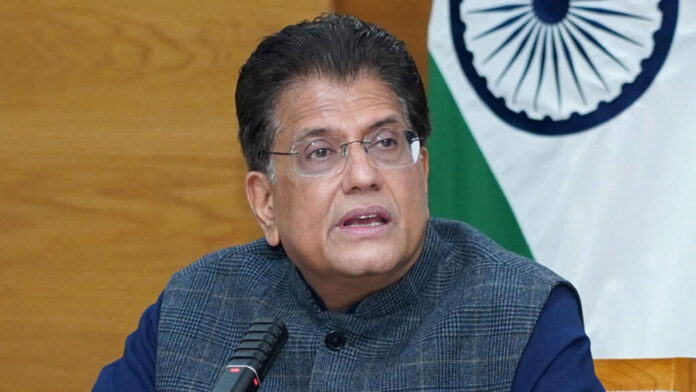
Speaking at a press conference at the Bharatiya Janata Party (BJP) headquarters in New Delhi, Goyal emphasized that while the overall framework of the agreement has already been finalized and publicly announced, several tariff-related issues remain under discussion.
The minister said India is focused on ensuring that its exporters receive more favorable market access and lower tariff barriers than rival nations before moving ahead with the final implementation of the agreement.
India Seeking Competitive Trade Advantage
According to Goyal, India wants to ensure that products manufactured in the country enjoy a stronger competitive position in the U.S. market.
He stated that New Delhi will move forward with the trade pact only when it is satisfied that Indian goods will face lower tariffs than those imposed on products from competing economies.
“Our objective is to secure the best possible outcome for Indian businesses, exporters, and manufacturers,” Goyal indicated during the briefing.
The comments underscore India’s broader strategy of leveraging trade agreements to strengthen exports, attract investment, and expand its global economic footprint.
Trade Framework Already Finalized
The minister noted that the broad structure of the proposed bilateral trade agreement has already been agreed upon by both sides.
However, negotiations continue over specific tariff provisions and market access arrangements that are considered critical to the final deal.
His remarks come shortly after Sergio Gor, the United States’ designated ambassador to India, reportedly stated that the bilateral trade agreement is approximately 99 percent complete.
The latest developments suggest that both countries are in the final stages of negotiations, with remaining discussions focused on resolving key commercial issues.
India and US Strengthening Economic Partnership
The proposed FTA is expected to become one of the most significant economic agreements between India and the United States, potentially boosting trade volumes, investment flows, and supply chain cooperation.
Economic analysts believe a successful agreement could open new opportunities across sectors such as:
- Manufacturing
- Technology
- Agriculture
- Pharmaceuticals
- Energy
- Services
Both governments have repeatedly highlighted the importance of deepening economic cooperation as part of their broader strategic partnership.
Goyal Optimistic About Indian Economy and Rupee
Addressing concerns over the recent depreciation of the Indian rupee, Goyal expressed confidence that the currency would stabilize and return to more normal levels over time.
He said India’s economic fundamentals remain strong and reiterated that the country is expected to remain the world’s fastest-growing major economy in the years ahead.
The minister pointed to continued investment inflows, expanding trade relationships, and strong domestic demand as key factors supporting economic growth.
India Expanding Global Trade Footprint
Goyal also highlighted India’s progress in strengthening international trade ties under Prime Minister Narendra Modi’s leadership.
According to the minister, India has significantly expanded its global trade engagement over the past several years through a series of free trade agreements and economic partnerships.
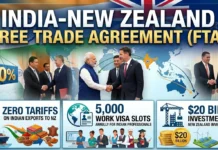
He noted that India has signed nine free trade agreements covering 38 countries, helping Indian businesses gain improved access to international markets.
The government views these agreements as important tools for boosting exports, increasing competitiveness, and integrating India more deeply into global supply chains.
What Comes Next for the India-US Trade Deal?
While negotiators appear close to concluding discussions, the final implementation timeline will depend on resolving outstanding tariff issues.
Trade experts say the remaining negotiations could prove crucial in determining the long-term benefits of the agreement for exporters and industries in both countries.
For now, India remains committed to securing terms that provide a measurable advantage to domestic businesses before formally activating the agreement.
As discussions continue, businesses, investors, and policymakers on both sides will be closely watching for a final breakthrough that could reshape one of the world’s most important economic partnerships.