Madrid, Spain — March 31, 2026
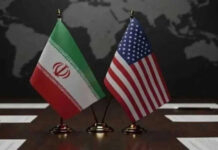
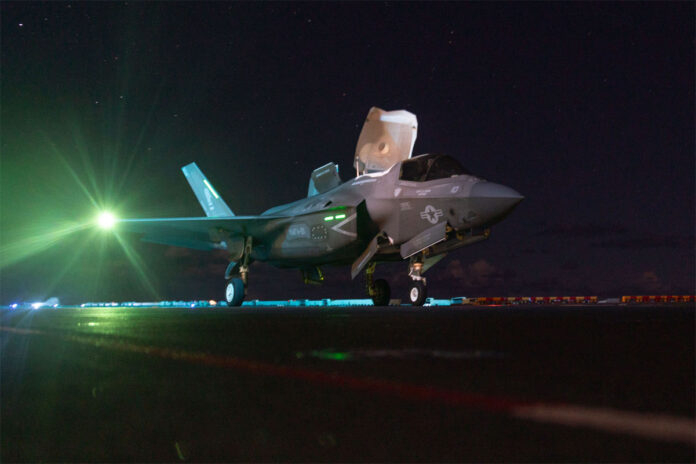
Spain has taken a significant step amid escalating global tensions by closing its airspace to U.S. military aircraft involved in the Iran conflict, a move that underscores growing divisions within Western alliances.
The decision by the Spanish government also includes denying access to key joint military bases in the Andalusia region, potentially complicating U.S. military logistics and operations linked to the ongoing Middle East crisis.
Airspace Ban Signals Strategic Shift
The restriction applies specifically to U.S. aircraft participating in operations related to the Iran conflict. By limiting both airspace access and base usage, Spain is signaling clear opposition to Washington’s current military strategy.
Defense analysts say the move could disrupt established supply routes and delay deployment timelines, especially for operations requiring rapid transit between Europe and the Middle East.
NATO Unity Under Strain
The decision is being widely interpreted as a sign of friction within the NATO, as member states diverge in their responses to the escalating conflict.
While some allies continue to support U.S. actions, others appear increasingly cautious about direct or indirect involvement, reflecting broader concerns about the risks of a prolonged regional war.
Link to Broader European Response
Spain’s move aligns with a wider pattern of measured responses across Europe, where governments are balancing alliance commitments with domestic political pressures and economic concerns.
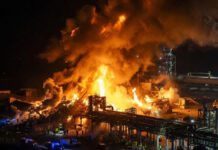
The ongoing conflict has already triggered significant consequences beyond the Middle East, including disruptions to global energy markets and increased geopolitical uncertainty.
Impact on US Military Operations
The restriction could present logistical challenges for U.S. forces, particularly in terms of refueling, transit corridors, and operational coordination. Spain’s strategic location has traditionally made it a key hub for transatlantic military movement.
The decision comes as the United States continues to expand its military presence in the region and intensify pressure on Iran.
Rising Global Tensions
The broader crisis has been fueled in part by statements from U.S. President Donald Trump, who has warned of potential strikes on Iranian energy infrastructure.
Combined with rising oil prices and ongoing military activity, the situation has heightened concerns about global stability and economic fallout.
Outlook: Diplomatic and Military Implications
Spain’s action highlights a growing transatlantic divide over how to handle the Iran conflict. Analysts warn that such fractures could weaken coordinated responses within NATO and complicate future joint operations.
As tensions continue to escalate, the focus is now shifting toward whether diplomatic efforts can bridge these divisions—or whether further fragmentation among Western allies is inevitable.