WASHINGTON, D.C. — June 6, 2026
Pentagon Raises Israel Counterintelligence Threat Level Amid Reports of Growing Strategic Differences
Pentagon Raises Israel Counterintelligence Threat Level amid reports that U.S. defense and intelligence officials have increased scrutiny of potential counterintelligence risks linked to Israeli intelligence-gathering activities, according to claims cited in recent media reports.
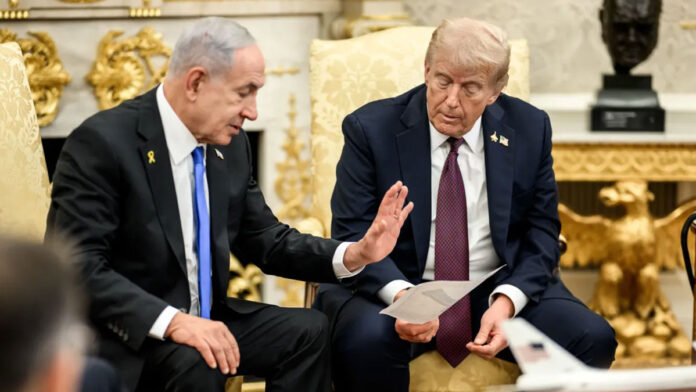
The developments come against the backdrop of reported disagreements between U.S. President Donald Trump and Israeli Prime Minister Benjamin Netanyahu over policy approaches toward Iran and broader Middle East security issues.
According to reports citing current and former U.S. officials, the Defense Intelligence Agency (DIA) has allegedly elevated its assessment of Israel-related counterintelligence concerns to a higher internal category. The reports claim that the assessment reflects concerns about efforts to gather information related to U.S. policy deliberations and strategic planning.
However, the claims remain the subject of public debate, and both Israeli representatives and other officials have strongly pushed back against allegations of improper intelligence activity.
Reports Highlight Heightened Security Precautions
According to security analysts quoted in the reports, American officials traveling on sensitive diplomatic or security-related missions are increasingly encouraged to follow strict communications protocols.
These measures reportedly include the use of temporary devices, commonly known as burner phones, and limited reliance on permanent electronic equipment during certain overseas visits.
Former diplomats and intelligence professionals have long noted that sensitive discussions are often restricted to secure environments when national security matters are involved. Reports suggest that some U.S. officials have become increasingly cautious about discussing classified topics in potentially vulnerable locations.
The reported precautions have fueled speculation about concerns within segments of the U.S. national security establishment regarding the protection of internal policy discussions.
Alleged DIA Assessment Draws Attention
Media reports have referenced an internal seven-page assessment allegedly circulated within intelligence channels. According to those reports, the document examined the capabilities of foreign intelligence services to collect information on U.S. government decision-making processes.
Analysts quoted in the coverage suggested that Israel has a strong interest in understanding policy discussions occurring within the White House and across national security agencies, particularly regarding developments in the Middle East.
The reported assessment has not been publicly released, and details cited in media coverage have not been independently verified by official public disclosures.
Iran Policy Reportedly at Center of Disagreements
The controversy has emerged at a time when reports indicate differences between Washington and Jerusalem over how to address Iran and regional security challenges.
According to various accounts, one area of disagreement involves the balance between diplomatic engagement and military pressure in dealing with Tehran’s nuclear ambitions.
Reports suggest that the Trump administration has explored diplomatic pathways aimed at reducing regional tensions, while some Israeli officials have advocated a tougher approach focused on increasing pressure on Iran.
Additional differences have reportedly surfaced over military operations and regional security strategies involving Iranian-backed groups operating across the Middle East.
Reports of Tense Exchanges Between Leaders
Recent media coverage has also described allegedly tense conversations between President Trump and Prime Minister Netanyahu regarding regional developments.
Several outlets have reported that discussions between the two leaders became increasingly strained amid disagreements over military actions and diplomatic strategy.
While details of private conversations remain difficult to independently confirm, the reports have contributed to speculation about growing friction between two leaders whose governments have traditionally maintained close strategic cooperation.
Despite the reported tensions, analysts note that the broader U.S.-Israel relationship remains anchored by long-standing security, intelligence, and defense partnerships.
Israel Rejects Espionage Allegations
Following publication of the reports, representatives linked to the Israeli government strongly denied allegations that Israel conducts intelligence operations targeting senior U.S. government officials.
According to statements cited in media coverage, Israeli officials described the claims as baseless and rejected suggestions that intelligence resources are directed against American government institutions.
Israeli representatives emphasized that intelligence operations are focused on security threats and adversarial actors rather than close allies.
At the same time, some U.S. officials have reportedly sought to downplay the significance of the allegations, emphasizing continued cooperation between the two countries.
Intelligence Cooperation Continues
Despite the controversy, there have been no indications that formal intelligence-sharing arrangements between the United States and Israel have been suspended.
Security experts note that intelligence cooperation between allied nations often continues even during periods of political disagreement. Such partnerships typically involve information sharing on terrorism, regional security threats, cyber risks, and military developments.
As Pentagon Raises Israel Counterintelligence Threat Level continues to generate headlines, attention remains focused on whether the reported concerns reflect a temporary security assessment or a broader shift in the dynamics of U.S.-Israel relations.
For now, the claims remain part of an evolving geopolitical story involving intelligence, diplomacy, and competing approaches to Middle East security. Officials from both countries continue to publicly emphasize the importance of their strategic partnership despite the reported disagreements.