Washington, D.C., United States — April 15, 2026
Israel and Lebanon Engage in Rare Direct Talks in Washington
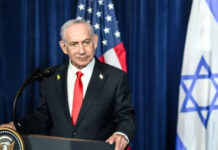
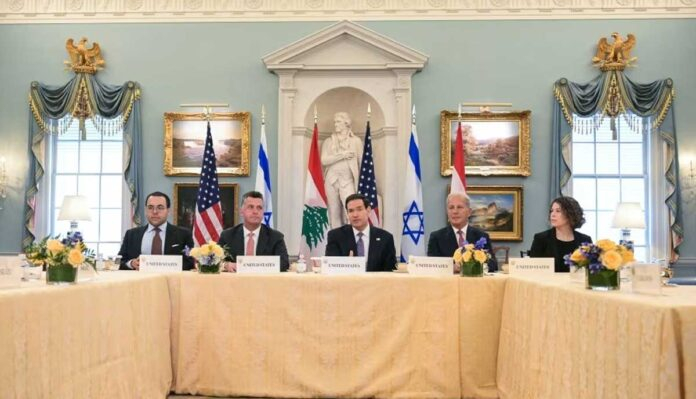
In a rare diplomatic development, Israel and Lebanon have entered direct talks for the first time in decades, hosted in Washington, D.C., by U.S. Secretary of State Marco Rubio.
The discussions involve senior diplomatic representatives from both nations and are aimed at reducing tensions along their volatile border. Officials describe the talks as a cautious but significant step toward regional stability.
Hezbollah Rejects Talks, Calls Efforts “Futile”
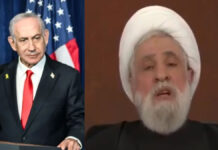
The diplomatic push faced immediate opposition from Naim Qassem, a senior leader of Hezbollah, who dismissed the negotiations as “futile.”
Hezbollah confirmed it will not participate in or recognize any outcomes from the talks, raising concerns about the effectiveness of the dialogue given the group’s influence in Lebanon.
Talks Coincide With Escalating U.S.–Iran Standoff
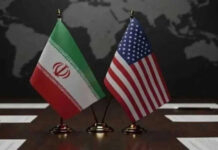
The negotiations are unfolding against the backdrop of heightened tensions between the United States and Iran, including the first full day of a U.S. naval blockade of the Strait of Hormuz—a critical global oil transit route.
The blockade has intensified geopolitical uncertainty, with analysts warning of:
- Potential disruptions to global shipping
- Rising energy prices
- Increased inflation risks worldwide
Military Presence Signals High Stakes
Recent military visuals highlight a strong U.S. presence in the region, including:
- The USS Abraham Lincoln aircraft carrier
- Deployment of advanced F-35B Lightning II fighter jets
The buildup underscores the seriousness of the standoff and its potential to escalate.
Potential U.S.–Iran Talks Add to Diplomatic Complexity
At the same time, diplomatic sources संकेत that U.S.–Iran negotiations may resume in Pakistan, adding another layer to the evolving geopolitical landscape.
These parallel developments highlight the fragile and interconnected nature of diplomacy in the Middle East.
Global Reactions Raise Concerns
The approach has drawn criticism from international leaders, including Rachel Reeves, who questioned the clarity and objectives of the current strategy.
Observers warn that without clear outcomes, the situation could further destabilize the region.
Fragile Diplomacy Amid Regional Uncertainty
While the Israel-Lebanon talks represent a rare opening for dialogue, the broader context of:
- Hezbollah’s rejection
- U.S.–Iran tensions
- Military escalation
suggests that lasting peace remains uncertain.
Key Takeaways
- Israel and Lebanon hold first direct talks in decades
- Hezbollah rejects negotiations, refuses participation
- U.S.–Iran tensions escalate with Strait of Hormuz blockade
- Military deployments signal heightened risk
- Global economic concerns emerge over shipping disruptions