
New Delhi, January 24, 2026
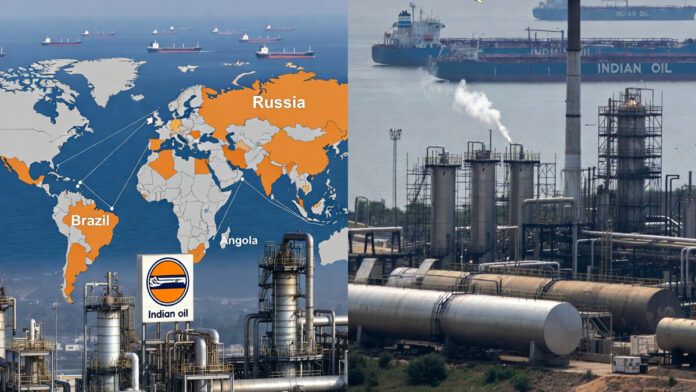
India’s largest refiner, Indian Oil Corporation (IOC), has significantly reduced its purchases of Russian crude oil and increased imports from Brazil, Angola, and the Middle East, marking a strategic shift that could strengthen India’s position in ongoing trade negotiations with the United States.
In March, IOC bought around 7 million barrels of crude oil from alternative suppliers to offset reduced Russian volumes, according to industry sources. The move reflects a broader recalibration by Indian refiners aimed at diversifying supply sources amid evolving geopolitical and trade considerations.
🛢️ Crude Purchases From New Suppliers
As part of the shift, IOC sourced:
1 million barrels of Murban crude from Shell (Abu Dhabi)
2 million barrels of Upper Zakum crude from trading firm Mercuria
1 million barrels of Angola’s Hungo and Clov grades from ExxonMobil
2 million barrels of Brazil’s Buzios crude from Petrobras under an optional contract
The optional contract structure allows IOC to execute deals on mutually agreed commercial terms, offering greater flexibility amid volatile global markets.
🔄 Moving Away From Russian Dependence
While the total value of the crude purchases has not been disclosed due to confidentiality agreements, data indicates that India’s imports of Russian oil fell to a two-year low in December.
At the same time, imports from OPEC nations climbed to an 11-month high, signaling a gradual shift back toward traditional suppliers in the Middle East.
Following the outbreak of the Ukraine war in 2022, India emerged as the largest buyer of discounted Russian seaborne crude, with state-run refiners like IOC taking advantage of price differentials. However, recent months suggest a reassessment of this approach.
In addition to Brazil and Angola, IOC has also:
Purchased crude for the first time from Colombia’s state-owned Ecopetrol under an alternative supply arrangement
Imported Ecuador’s Oriente crude for the first time
🤝 Implications for India–US Trade Talks
Energy analysts say the reduction in Russian oil imports and diversification toward other suppliers could bolster India’s negotiating position in a proposed trade agreement with the United States, particularly in discussions around tariff relief and energy cooperation.
India is currently seeking lower US tariffs on key exports, and aligning energy sourcing with broader geopolitical expectations may help ease negotiations.
🌍 Strategy Beyond Cheap Oil
Experts note that Indian refiners are increasingly factoring in geopolitical balance and long-term supply security, rather than focusing solely on discounted pricing.
“Refineries are now looking beyond immediate cost advantages to ensure strategic flexibility and global alignment,” an energy sector analyst said, adding that diversification reduces exposure to sanctions risks and supply disruptions.
While pricing details remain undisclosed, the shift underscores a clear evolution in India’s crude procurement strategy, aligning energy security with trade diplomacy and long-term economic interests.