New Delhi, India | January 31, 2026
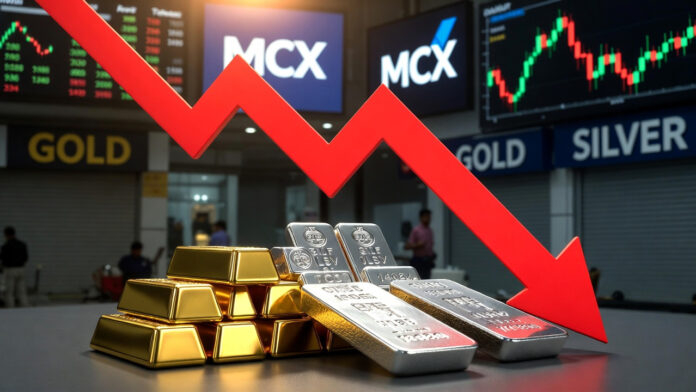
January 31, 2026, has gone down as one of the most turbulent days in the history of India’s bullion market. A sharp and sudden sell-off on the Multi Commodity Exchange (MCX) and in physical jewellery markets sent shockwaves through the trading community, with silver leading the collapse rather than gold.
According to market data, silver prices crashed by up to ₹1.28 lakh within 24 hours, while gold plunged by more than ₹33,000 per 10 grams, freezing trading activity across major bullion hubs.
Silver Bubble Bursts: Prices Crash Up to ₹1.28 Lakh
Market figures indicate an unprecedented collapse in silver prices, shocking both investors and traders.
Single-day crash:
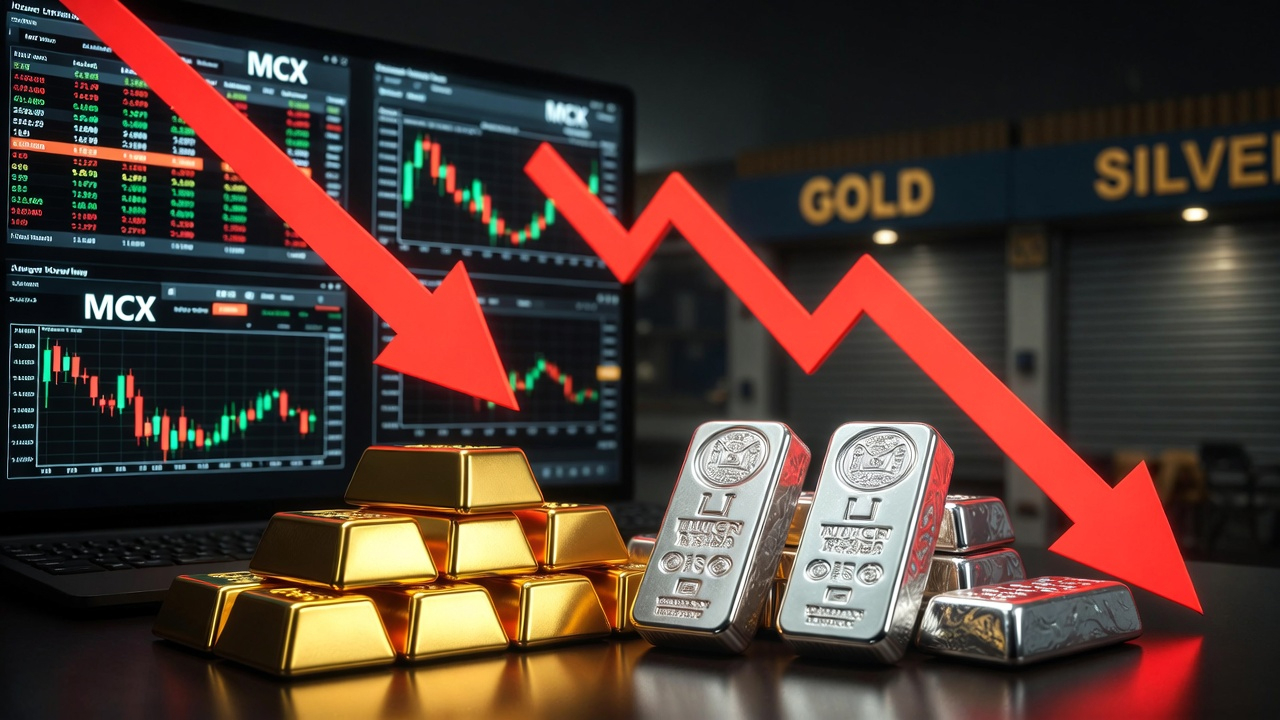
March 5 expiry silver futures closed at ₹3,99,893 per kg on Thursday, before crashing to ₹2,91,922 per kg on Friday — a fall of ₹1,07,971 in one session.From record high:
Silver had touched an all-time high of ₹4,20,048 per kg on Thursday. From that peak, prices collapsed by ₹1,28,126 within just 24 hours.
Analysts say such a steep fall in silver—normally considered highly volatile but liquid—has severely damaged market confidence.
Gold Also Crashes Hard: ₹33,000 Wiped Out
Gold failed to act as a safe haven during the sell-off.
Intraday fall:
April 2 expiry 24-carat gold fell from ₹1,83,962 per 10 grams on Thursday to ₹1,50,849 per 10 grams on Friday, a massive ₹33,113 single-day decline.From lifetime high:
Compared to Thursday’s record high of ₹1,93,096, gold is now down by ₹42,247 per 10 grams.
The sharp correction indicates that upper price levels failed to sustain buying support, triggering forced liquidation.
Why Did the Bullion Market Collapse?
Market analysts cite multiple powerful triggers behind the historic crash:
1. Aggressive Profit Booking
After weeks of relentless rallies, precious metals entered extreme overbought territory. Large investors and institutions rushed to lock in profits, unleashing a wave of selling.
2. Strong US Dollar and Rising Yields
A surge in the US dollar index and Treasury yields made gold and silver less attractive. A stronger dollar raises commodity costs for non-dollar economies, weakening global demand.
3. Fed and Trump Factor
Easing global tension signals following statements by Donald Trump, combined with reports of Kevin Warsh potentially replacing Jerome Powell, shifted investor sentiment away from safe-haven assets like gold.
Jewellery Market Comes to a Standstill
The impact on the physical bullion market was immediate and severe:
No fresh buying by retail consumers
Traders avoided selling amid extreme volatility
Liquidity dried up completely
Dealers described the scene as “complete silence”, with showrooms witnessing negligible footfall and transactions virtually halted.
Historic Day for the Bullion Market
The dramatic events of January 31, 2026, underscore how violent corrections can follow periods of excessive speculation.
While silver set a negative record with a ₹1.28 lakh collapse, gold’s ₹33,000 fall has left investors confused and traders fearful. Experts warn that ETF and futures markets may remain volatile in the near term as the market searches for a stable base.