New Delhi, India | January 26, 2026
Concerns of a global oil crisis are intensifying as escalating military tensions and widespread labor strikes threaten to disrupt crude oil supplies, raising fears of a major shock to the world economy in early 2026.
The situation remains highly fragile, with multiple supply-side risks emerging simultaneously across key oil-producing regions.
Key Triggers Behind the Global Oil Crisis
Iran–Israel Military Tensions:
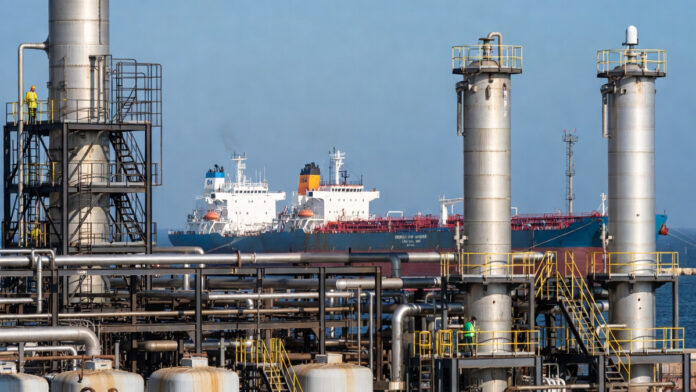
Iran, one of the world’s leading oil producers, has become a focal point of market anxiety amid rising military tensions with Israel. Fears that Iranian oil fields could be targeted during missile strikes—and Iran’s threat to block the Strait of Hormuz—have rattled energy markets.
The Strait of Hormuz is a critical chokepoint through which 20–30% of global crude oil shipments pass each day, making any disruption potentially catastrophic for global supply.
Nationwide Oil Worker Strikes in Iran:
Adding to the crisis, oil and gas sector workers across Iran have launched large-scale strikes, demanding economic relief and political reforms. These labor disruptions have reportedly reduced Iran’s domestic oil production by nearly 60%, severely tightening global supply.
Instability in Libya and Other Regions:
Beyond the Middle East, supply chains in other oil-producing regions—including Libya—have also been affected by political instability, limiting alternative routes and backup supplies.
Potential Impact on the Global Economy
Crude Oil Price Surge:
Energy analysts warn that if tensions persist, Brent crude prices could surge to $120–$150 per barrel. Reports as of January 26, 2026, indicate prices are already moving toward record highs.
Rising Global Inflation:
Higher oil prices will drive up transportation and logistics costs, pushing inflation higher across sectors—from food and fuel to consumer electronics and manufactured goods.
Market Volatility:
Global equity markets have seen increased volatility amid fears of an energy shock. Airline and automobile stocks have been among the hardest hit due to their heavy dependence on fuel prices.
Impact on India
Fuel Prices:
India imports more than 80% of its crude oil needs, making it highly vulnerable to global price fluctuations. Even a $1 increase per barrel significantly raises India’s import bill, directly affecting domestic fuel prices.
Pressure on the Rupee:
A surge in oil prices could weaken the Indian rupee against the US dollar, making other imports more expensive and adding to inflationary pressure.
Strategic Petroleum Reserves (SPR):
The Indian government is reportedly evaluating the use of its strategic petroleum reserves and exploring increased imports from alternative suppliers such as Russia and Venezuela to manage short-term risks.
Efforts to Stabilize the Market
OPEC+ Emergency Talks:
The OPEC+ alliance is considering convening an emergency meeting to discuss increasing oil production in an attempt to cool prices and stabilize global supply.
US Intervention:
The US administration is also under pressure to release additional crude from its Strategic Petroleum Reserve (SPR) to help ease supply shortages and calm markets.
Outlook: Energy Shock Risk in Early 2026
If the Iran conflict and labor strikes are not resolved soon, analysts warn that the first quarter of 2026 could trigger a major global energy shock, with far-reaching consequences for inflation, growth, and financial stability worldwide.