
New Delhi, India — January 22, 2026
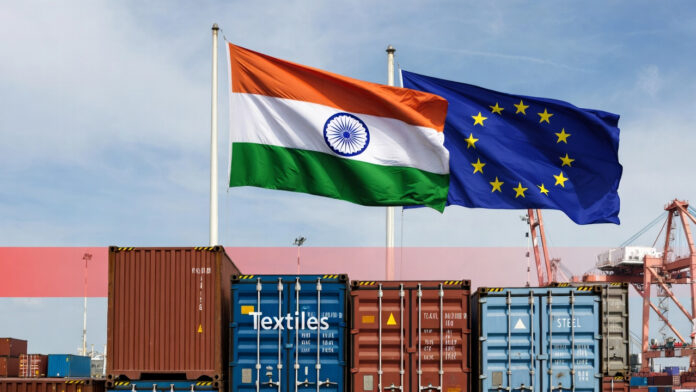
The European Union has suspended key tariff preferences under its Generalized System of Preferences (GSP) scheme for India, effective January 1, 2026, removing duty concessions on approximately 87% of Indian goods exported to the bloc.
The suspension, which will run until December 31, 2028, applies to India, Indonesia, and Kenya under the EU’s “graduation rules.” These rules withdraw GSP benefits when a country’s exports in specific product categories exceed defined market-share thresholds. As a result, only about 13% of Indian exports—primarily in agriculture and leather—will retain preferential treatment.
The decision significantly affects major industrial sectors, including textiles, plastics, chemicals, machinery, gems and jewelry, minerals, iron and steel, rubber, ceramics, and electrical goods. For example, ready-made garments previously benefiting from a reduced 9.6% duty will now face the full 12% most-favored-nation rate.
Industry bodies have expressed concern over the impact. Ajay Sahai, Director General of the Federation of Indian Export Organisations (FIEO), noted that Indian exporters previously enjoyed an average 20% tariff advantage that has now been eliminated. Ajay Srivastava, founder of Global Trade Research Initiative (GTRI), described the move as a “major setback,” warning that competitors such as Bangladesh and Vietnam continue to enjoy duty-free or lower-duty access to the EU market, potentially shifting buyer preference in price-sensitive sectors like apparel.
The timing adds pressure to ongoing India-EU free trade agreement (FTA) negotiations, with both sides aiming to conclude talks by late January 2026. However, ratification and implementation of any FTA are expected to take at least a year, leaving Indian exporters exposed to higher tariffs in the interim.
The suspension coincides with the phased introduction of the EU’s Carbon Border Adjustment Mechanism (CBAM), creating additional compliance costs for Indian producers in carbon-intensive sectors.
The European Union remains India’s largest goods trading partner, with bilateral trade reaching $136.53 billion in 2024-25. Industry analysts warn that the loss of GSP benefits could weaken Indian competitiveness in the European market during a period of already challenging global trade conditions.