WASHINGTON/TEHRAN — May 26, 2026
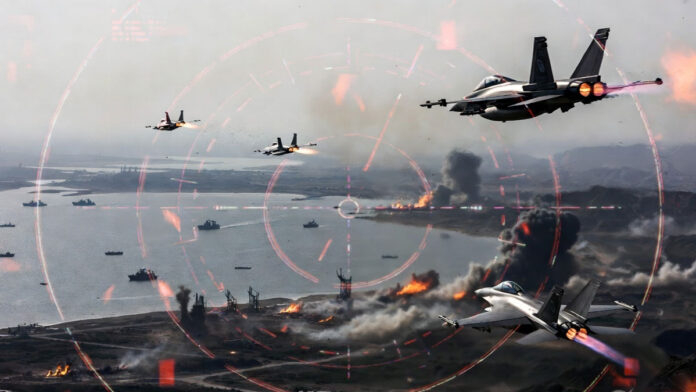
US Airstrikes on Iran have sharply escalated tensions in the Middle East after the United States carried out what it described as “self-defense strikes” targeting Iranian missile launch sites and naval vessels near the strategically critical Hormuz Strait.
According to the US military, the operation targeted locations in southern Iran that were allegedly linked to missile deployment activities and naval boats suspected of laying sea mines in Gulf waters. The strikes were conducted as Washington claimed its forces and naval assets in the region faced potential threats from Iranian military movements.
The latest military action comes at a highly sensitive moment, with both countries simultaneously engaged in diplomatic discussions over a ceasefire framework and a possible revival of nuclear-related negotiations. The development has renewed fears of broader instability across West Asia and raised concerns in global energy markets due to the strategic importance of the Hormuz Strait.
Why Did the US Launch Airstrikes on Iran?
The United States Central Command (CENTCOM) stated that the strikes were launched after monitoring Iranian military activity that allegedly posed a direct threat to American personnel and naval operations in the region.
CENTCOM spokesperson Captain Tim Hawkins said the US military acted in self-defense while exercising restraint to avoid a wider escalation. According to the US military assessment, Iranian naval units were attempting to deploy sea mines near the Hormuz Strait, while several missile launch facilities in southern Iran were reportedly being activated.
American defense officials argued that the targeted sites represented a potential risk to US warships and regional security operations. However, authorities have not yet released detailed information regarding casualties or the extent of damage caused by the strikes.
The Pentagon has not indicated whether additional military responses are being considered, but officials stressed that the US remains prepared to protect its forces and strategic interests in the Gulf region.
Hormuz Strait Remains a Global Flashpoint
The Hormuz Strait is one of the world’s most strategically important maritime trade routes, handling a significant share of global oil and gas shipments. Any military confrontation in the area immediately raises concerns about disruptions to international energy supplies and broader geopolitical instability.
Analysts say the latest US Airstrikes on Iran could once again increase volatility in global oil markets, especially as traders closely monitor tensions involving major energy-exporting nations in the Gulf.
The region has witnessed repeated security incidents in recent years, including attacks on oil tankers, drone interceptions, and military confrontations involving naval forces operating near Iranian waters. Due to its strategic value, the United States has maintained a strong military presence in and around the Gulf for decades.
Security experts warn that even limited military exchanges near the Hormuz Strait can have global economic consequences, particularly for energy-importing nations dependent on stable crude oil supplies.
Previous Incidents During Ceasefire Negotiations
This is not the first time tensions have flared despite ongoing diplomatic efforts between Washington and Tehran. Earlier this month, US forces reportedly conducted military operations against Iranian-linked positions after alleging attempted attacks involving drones, missiles, and small naval vessels targeting American warships.
Although both countries have publicly discussed ceasefire mechanisms and diplomatic engagement, mutual distrust continues to complicate negotiations. The latest strikes highlight the fragile nature of the current situation, where military escalation and diplomatic dialogue are unfolding simultaneously.
Regional observers believe the repeated confrontations demonstrate how quickly the security environment in West Asia can deteriorate despite active communication channels.
Trump Makes Major Statement on Iran’s Enriched Uranium
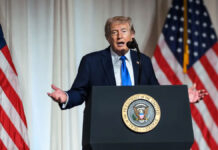
US President Donald Trump also made significant remarks regarding Iran’s enriched uranium stockpile, adding another layer to the ongoing negotiations.
Trump stated that Iran’s enriched uranium — which he referred to as “nuclear dust” — would either be handed over to the United States for destruction or dismantled jointly within Iran under a future agreement.
The US president indicated that discussions surrounding a potential nuclear arrangement were progressing “in a good way,” suggesting that diplomatic talks between the two sides remain active despite the military confrontation.
Iranian officials have also acknowledged that progress has been made on several issues during recent discussions, though they continue to criticize what they describe as inconsistent messaging from Washington.
Trump Links Iran Talks to Abraham Accords Expansion
Trump also connected the Iran negotiations to the expansion of the Abraham Accords, proposing that countries including Saudi Arabia, Pakistan, Türkiye, Egypt, and Jordan should normalize ties with Israel under a broader regional framework.
The proposal, however, has received mixed reactions across the region. Pakistan reiterated that its position on Israel remains unchanged, while Saudi Arabia reportedly maintained that full normalization would require a clear pathway toward Palestinian statehood.
Diplomatic analysts say linking nuclear talks, regional security arrangements, and normalization agreements could complicate negotiations further by expanding the number of unresolved political issues involved.
Iran Responds to Ongoing Negotiations
Iranian Foreign Ministry spokesperson Esmail Baghaei said discussions with the United States had achieved progress on multiple subjects but emphasized that no final agreement had yet been reached.
Baghaei accused American officials of frequently changing their positions during negotiations, making the diplomatic process increasingly difficult. Iranian authorities insist they remain serious about pursuing a peaceful resolution but continue to demand stronger assurances regarding US policy commitments.
At the same time, Tehran has criticized continued American military pressure in the region, arguing that simultaneous diplomacy and military escalation undermine trust-building efforts.
Political observers believe the coming weeks will be critical in determining whether the two nations can stabilize relations through negotiation or move toward another dangerous period of confrontation.
Global Concerns Over Escalation
The latest US Airstrikes on Iran have already triggered concern among international observers, particularly due to the potential impact on regional security and global energy markets.
Several governments are closely monitoring developments in the Gulf as fears grow that any major escalation involving the United States and Iran could affect shipping routes, oil prices, and broader geopolitical stability.
Market analysts say even limited disruptions around the Hormuz Strait could have immediate consequences for global crude oil prices and international trade flows.
With diplomatic talks still ongoing, the situation remains highly sensitive, and world leaders are expected to push for restraint to avoid a broader regional conflict.