NEW DELHI — May 26, 2026
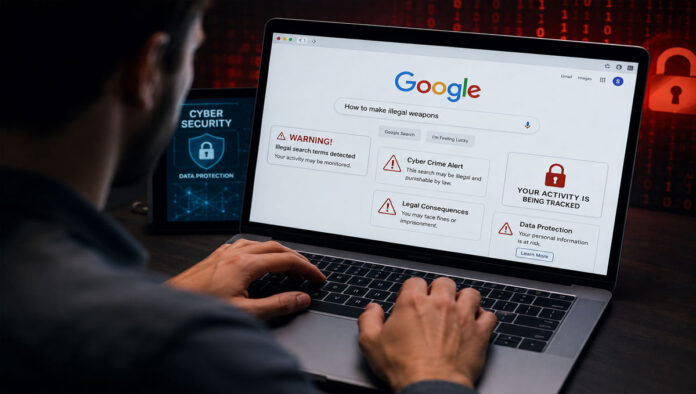
Google Search Warning is becoming increasingly important in today’s digital world as cybersecurity experts continue advising internet users to avoid searching certain dangerous or illegal topics online.
Search engines like Google have made access to information easier than ever before. Millions of users search for answers related to health, education, finance, entertainment, and technology every day. However, experts warn that not every search is safe, legal, or risk-free.
Some online searches may expose users to cyber threats, scams, malware infections, legal investigations, or serious privacy issues. In extreme cases, accessing or searching illegal content can lead to criminal charges or imprisonment under cybercrime and national security laws.
Here are 10 things experts say users should avoid searching online.
1. Bomb-Making Instructions or Illegal Weapons
Searching for instructions related to explosives, bomb-making, or illegal weapons is considered extremely dangerous.
Security agencies monitor suspicious online activity involving violent extremism and terrorism-related content. Repeated searches about weapons or attack methods could potentially place users under investigation.
Authorities in many countries treat such searches seriously under anti-terror and public safety laws.
2. Illegal Child Exploitation Content
Any search involving exploitative or abusive content related to minors is considered a severe criminal offense.
In India, such crimes fall under the POCSO Act and strict cybercrime laws. Viewing, sharing, downloading, or distributing illegal child-related material can result in imprisonment and major legal consequences.
Experts advise users to report harmful content rather than interacting with it.
3. Illegal Hacking Tutorials
Searching for methods to illegally hack social media accounts, websites, devices, or banking systems can also create serious legal problems.
Cybercrime authorities closely monitor online fraud, phishing activities, malware distribution, and unauthorized access attempts.
Learning ethical cybersecurity through certified courses is legal, but searching for criminal hacking methods may violate information technology laws.
4. Deep Web Criminal Marketplaces
Many users become curious about the dark web or illegal marketplaces operating online. Experts strongly warn against searching for illegal marketplaces related to drugs, weapons, fake documents, or stolen data.
Such websites are often monitored by international cybercrime agencies and may expose users to scams, malware, financial theft, or legal investigations.
5. Pirated Movies and Illegal Streaming Links
Searching for pirated movies, cracked software, or illegal streaming websites may expose devices to viruses, spyware, and phishing attacks.
Many piracy websites contain harmful advertisements and malware capable of stealing personal information and banking details.
In several countries, piracy-related activity can also violate copyright laws.
6. Fake Government Documents
Searching for fake passports, forged IDs, counterfeit certificates, or fake visas can lead to severe criminal charges.
Authorities consider document forgery a major offense linked to fraud, identity theft, and organized crime.
Cyber experts warn that many fake-document websites are also scams targeting unsuspecting users.
7. Online Drug Purchases
Searching for illegal narcotics, banned substances, or unlicensed online drug sellers can expose users to criminal networks and dangerous products.
Many illegal drug websites operate outside legal regulation and may sell harmful or counterfeit substances.
Law enforcement agencies in many countries monitor illegal narcotics-related online activity.
8. Medical Self-Treatment Without Professional Advice
Another major Google Search Warning involves relying entirely on internet searches for diagnosing or treating serious illnesses.
Medical experts warn that online health information is not always accurate or suitable for individual conditions. Self-medication based only on search results can worsen health problems or delay proper treatment.
Doctors recommend consulting qualified healthcare professionals instead of depending solely on online advice.
9. Financial Fraud or Scam Techniques
Searching for methods involving online scams, credit card fraud, phishing attacks, ATM fraud, or identity theft is illegal in many jurisdictions.
Cybercrime divisions worldwide are increasing surveillance against financial fraud operations as digital banking crimes continue rising globally.
Even interacting with suspicious scam-related platforms can expose users to investigations and cyber risks.
10. Personal Information Leaks or Stolen Data
Users should never search for leaked passwords, hacked databases, stolen credit card information, or private personal records online.
Accessing or distributing stolen data can violate privacy and cybercrime laws. Additionally, many websites claiming to provide leaked information are themselves fraudulent and designed to infect devices with malware.
Cybersecurity professionals strongly advise protecting personal privacy rather than engaging with suspicious data-sharing platforms.
Why Responsible Internet Use Matters
The internet offers unlimited access to information, but digital freedom also comes with responsibility. Governments and cybersecurity agencies worldwide are strengthening cyber laws to combat terrorism, fraud, exploitation, hacking, and digital crime.
Experts say users should focus on safe browsing habits, avoid suspicious websites, and verify information through trusted sources.
Parents are also being encouraged to educate children and teenagers about internet safety, privacy awareness, and the risks of harmful online content.
Using secure passwords, updated antivirus software, and verified platforms can significantly reduce online risks.
How to Stay Safe While Using Google
Cybersecurity experts recommend these safety practices:
- Avoid suspicious or illegal searches
- Use trusted websites only
- Keep antivirus and device security updated
- Never click unknown download links
- Verify medical and financial information from official sources
- Report illegal content to authorities
- Learn cybersecurity only through legal educational platforms
Responsible internet usage can help protect users from scams, cyberattacks, and legal trouble.
FAQs
1. Can searching illegal content online lead to legal action?
Yes, certain searches involving illegal or harmful content may attract legal consequences depending on local laws.
2. Is searching hacking tutorials illegal?
Ethical hacking education is legal through certified programs, but searching for criminal hacking methods may violate cyber laws.
3. Why are piracy websites dangerous?
Piracy websites often contain malware, phishing scams, and harmful advertisements that can steal personal information.
4. Can self-medication based on Google searches be risky?
Yes, inaccurate online medical advice can worsen health conditions or delay proper treatment.
5. How can users stay safe online?
Using trusted websites, avoiding suspicious searches, updating security software, and following cyber safety practices can improve online safety.