Oakland, California – May 19, 2026
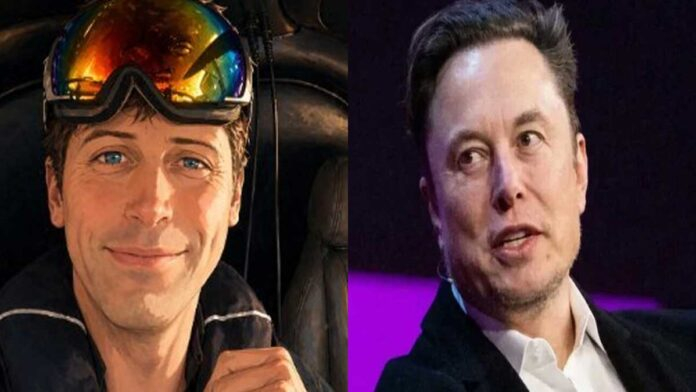
Billionaire entrepreneur Elon Musk suffered a major legal setback after a US federal court dismissed his high-profile lawsuit against OpenAI and its top executives, including CEO Sam Altman.
The case, heard in a federal court in Oakland, California, centered around Musk’s allegations that the company behind ChatGPT had abandoned its original mission of serving humanity and transformed into a profit-driven corporation.
After a three-week trial, a nine-member jury ruled that Musk had waited too long to file the lawsuit and had exceeded the legal statute of limitations. Judge Yvonne Gonzalez Rogers accepted the jury’s recommendation on Monday, formally dismissing Musk’s claims.
Court Says Musk Filed Case Too Late
According to court proceedings, jurors deliberated for less than two hours before concluding that Musk’s legal complaint had been filed beyond the allowable deadline.
The ruling marks a significant victory for OpenAI and its leadership, who argued throughout the trial that Musk’s accusations lacked legal merit.
Despite the setback, Musk’s attorney, Steven Molo, signaled that the legal battle is far from over. He confirmed that Musk plans to appeal the decision, comparing the fight to historic long-term legal and political battles in American history.
How the Musk-OpenAI Dispute Began
The roots of the dispute date back to 2015, when Musk co-founded OpenAI and reportedly invested nearly $38 million in the organization during its early years.
Musk argued in court that OpenAI executives, including Altman and co-founder Greg Brockman, secretly transformed the company into a profit-oriented business, betraying its original nonprofit mission.
During testimony, Brockman revealed that his ownership stake in OpenAI is now valued at approximately $30 billion, highlighting the massive financial growth of the company.
OpenAI’s legal team countered that there was never any binding agreement requiring the organization to remain permanently nonprofit.
OpenAI Accuses Musk of Business Rivalry
OpenAI’s attorneys strongly rejected Musk’s allegations and argued that the lawsuit was motivated by commercial competition rather than public interest.
According to the company’s legal defense, Musk wanted unilateral control over OpenAI but turned against the organization after failing to gain that influence.
OpenAI attorney William Savitt told the court that Musk’s real objective was to slow OpenAI’s rapid expansion and benefit his own artificial intelligence company, xAI, which Musk launched in 2023 as a direct competitor in the AI industry.
The company also argued that Musk’s actions reflected growing rivalry within the rapidly evolving artificial intelligence sector.
Key Arguments Presented in Court
| Party | Main Argument in Court |
|---|---|
| Elon Musk | OpenAI abandoned its charitable mission and became a profit-focused company. |
| OpenAI / Sam Altman | Musk sought control over the company, and the lawsuit was intended to benefit xAI. |
| Federal Court Jury | Musk filed the lawsuit after the legal deadline had expired. |
Sam Altman’s Testimony Revealed Internal Tensions
During the trial, Altman testified that he initially had deep respect for Musk in OpenAI’s early years. However, he claimed Musk failed to fulfill key commitments and eventually left the company in a difficult position.
Altman also argued that powerful technologies such as Artificial General Intelligence (AGI) should never be controlled by a single individual, regardless of intentions.
Microsoft, which was also involved in the case as a major investor and partner of OpenAI, welcomed the court’s decision and reaffirmed its commitment to continuing collaboration with the AI company.
The ruling represents one of the most closely watched legal battles in the artificial intelligence industry, highlighting the growing tensions surrounding AI governance, corporate control, and the future direction of advanced technologies.