New Delhi, India – May 19, 2026
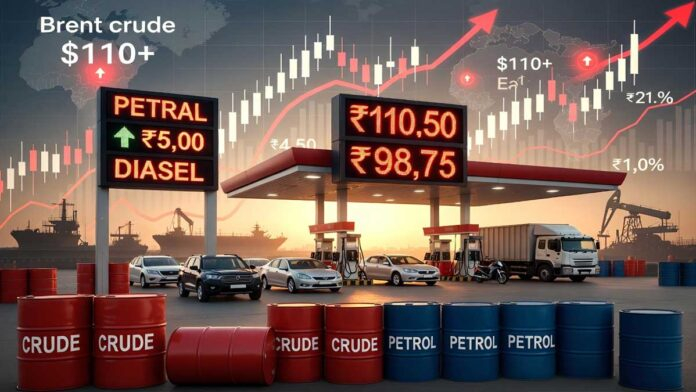
Petrol and diesel prices in India have been increased once again, marking the second major fuel price hike within a week. State-run oil marketing companies on Tuesday raised petrol and diesel prices by nearly 90 paise per liter, adding further pressure on consumers already dealing with rising inflation and transportation costs.
The latest increase comes just three days after fuel prices were raised by ₹3 per liter across the country.
Fuel Prices Rise Sharply Across Major Cities
Following the latest revision, petrol prices in Delhi increased by 87 paise to ₹98.64 per liter, while diesel prices rose by 91 paise to ₹91.58 per liter.
The earlier hike on Friday had already pushed Delhi’s petrol prices from ₹94.77 to ₹97.77 per liter and diesel prices from ₹87.67 to ₹90.67 per liter.
Other major metropolitan cities also witnessed sharp increases in fuel rates.
| City | Petrol Price Increase | New Petrol Price | Diesel Price Increase | New Diesel Price |
|---|---|---|---|---|
| Delhi | 87 paise | ₹98.64 | 91 paise | ₹91.58 |
| Mumbai | 91 paise | ₹107.59 | 94 paise | ₹94.08 |
| Kolkata | 96 paise | ₹109.70 | 94 paise | ₹96.07 |
| Chennai | 82 paise | ₹104.49 | 86 paise | ₹96.11 |
In Mumbai, petrol is now retailing at ₹107.59 per liter after a 91-paise increase, while diesel prices climbed to ₹94.08 per liter.
Kolkata recorded the sharpest petrol price rise among metro cities, with rates increasing by 96 paise to ₹109.70 per liter. Diesel prices there rose by 94 paise to ₹96.07 per liter.
In Chennai, petrol prices increased by 82 paise to ₹104.49 per liter, while diesel rose by 86 paise to ₹96.11 per liter.
Why Are Fuel Prices Rising Globally?
The continued rise in petrol and diesel prices is largely linked to escalating geopolitical tensions in West Asia and disruptions in global energy markets.
The ongoing conflict involving Iran, the United States, and Israel has intensified concerns over oil supply disruptions, particularly around the strategically important Strait of Hormuz — one of the world’s most critical maritime trade routes for crude oil transportation.
According to market analysts, Brent crude oil prices have surged close to the $100-per-barrel mark since military tensions escalated earlier this year.
Despite ongoing diplomatic efforts reportedly involving US President Donald Trump and Iranian officials to establish a longer-term ceasefire, uncertainty in the region continues to drive volatility in global oil markets.
Oil Companies Continue to Face Financial Pressure
Government-owned oil companies have been under growing financial strain due to rising international crude prices.
According to the Petroleum Ministry, the earlier ₹3-per-liter increase helped reduce the daily losses of oil marketing companies by nearly 25 percent. Their estimated daily losses reportedly declined from around ₹1,000 crore to approximately ₹750 crore.
Sujata Sharma, Joint Secretary at the Ministry of Petroleum and Natural Gas, said the government is currently not considering any subsidy package or financial relief for oil companies.
Officials noted that despite the surge in crude oil prices linked to the Iran conflict, public sector fuel retailers continued selling petrol and diesel at older rates until May 15.
Rising Fuel Costs May Impact Inflation
Economists warn that repeated increases in fuel prices could lead to higher transportation costs, food inflation, and increased expenses across multiple sectors of the economy.
Higher diesel prices, in particular, are expected to affect logistics, agriculture, and freight transportation, potentially increasing the prices of essential goods in the coming weeks.
Consumers and businesses are now closely monitoring global crude oil trends and geopolitical developments in the Middle East, as further volatility could trigger additional fuel price revisions in India.