
Washington, D.C. / Tehran — May 8, 2026
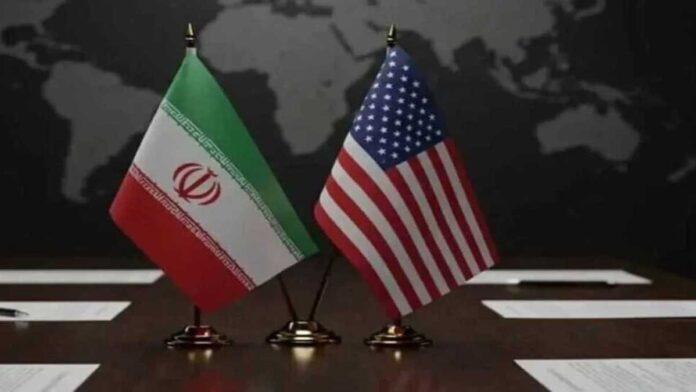
The United States and Iran are engaged in high-stakes negotiations over a proposed 30-day temporary truce aimed at de-escalating tensions and reopening the critical Strait of Hormuz to commercial shipping.
According to a report by The New York Times, citing senior Iranian officials, the discussions revolve around a short-term framework designed to halt hostilities while paving the way for a broader, long-term agreement.
30-Day Ceasefire Proposal Under Discussion
Under the proposed one-page interim framework, both sides would suspend hostilities for 30 days.
During this period, negotiators are expected to continue talks toward a comprehensive agreement addressing key issues, including sanctions relief, maritime security, and nuclear commitments.
Officials said discussions remain ongoing, with both sides exchanging proposals on the structure and language of a potential long-term deal.
Plan to Reopen Key Global Shipping Route
A central element of the proposal includes reopening the Strait of Hormuz, one of the world’s most vital oil transit routes, to commercial maritime traffic.
The framework also reportedly includes lifting U.S. restrictions on Iranian shipping and ports, alongside measures to formally end active military engagements under a ceasefire arrangement.
Nuclear Dispute Remains Major Hurdle
Despite progress on de-escalation measures, significant differences persist over Iran’s nuclear program.
According to the report, U.S. negotiators are seeking firm commitments from Tehran regarding its enriched uranium stockpile and nuclear activities. Proposals under discussion reportedly include:
- Transfer of Iran’s enriched uranium stockpile to U.S. control
- Closure of three nuclear facilities
- Suspension of uranium enrichment for up to 20 years
Iran, however, has offered an alternative approach.
Iran Proposes Partial Reduction, Third-Party Transfer
Iranian officials said Tehran is willing to reduce part of its uranium stockpile and transfer the remainder to a third country—potentially Russia.
Under Iran’s proposal, uranium enrichment activities would be suspended for 10 to 15 years, though no agreement has yet been reached on the future of its nuclear facilities.
Tehran has also indicated readiness to commit to not developing nuclear weapons, though details on verification and timelines remain under negotiation.
Key Issues to Be Negotiated During Truce
During the proposed 30-day window, both sides are expected to focus on:
- Sanctions relief mechanisms
- Future of Iran’s nuclear program
- Release of frozen Iranian assets abroad
- Long-term security guarantees
Officials cautioned that while the framework represents a potential breakthrough, major differences still need to be resolved.
High Stakes for Global Markets and Security
The outcome of these talks could have far-reaching implications for global energy markets, maritime security, and geopolitical stability in West Asia.
Reopening the Strait of Hormuz would ease pressure on global oil supply chains, while a broader agreement could mark a significant step toward reducing regional tensions.