Washington DC, United States – May 28, 2026
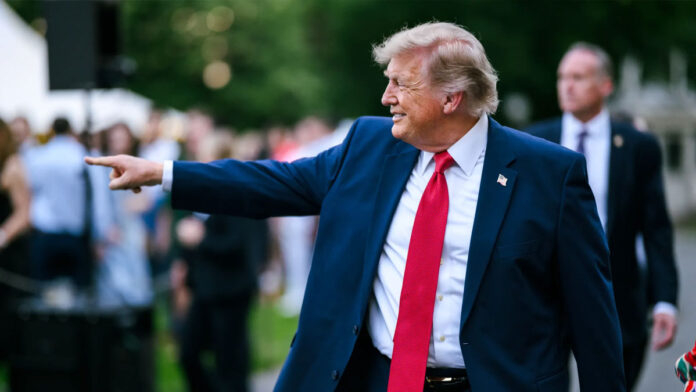
The Trump Iran Uranium Warning has added a new layer of uncertainty to the already sensitive global debate surrounding Tehran’s nuclear program. US President Donald Trump stated that he is not comfortable with the possibility of Iran’s highly enriched uranium stockpile being transferred to either Russia or China under any future nuclear arrangement.
Trump’s remarks come at a time when international negotiations over Iran’s nuclear activities are once again drawing global attention, with Western powers closely monitoring Tehran’s uranium enrichment capabilities and regional geopolitical alliances.
Russia and China are widely viewed as Iran’s key strategic partners, and reports had suggested that both countries could potentially play a role in handling Iran’s enriched uranium reserves as part of a broader diplomatic agreement.
Trump Rejects Russia or China Taking Iran’s Uranium
Speaking about the issue, Trump indicated that allowing Russia or China to take control of Iran’s enriched uranium would not be an acceptable solution from Washington’s perspective.
Nuclear policy experts had previously speculated that a possible international agreement could involve Iran transferring its uranium stockpile to a third country in exchange for sanctions relief or diplomatic concessions.
Russia and China were considered likely candidates because of their close political and economic ties with Tehran. However, Trump’s latest statement makes it clear that the United States remains deeply skeptical about such an arrangement.
The comments reflect ongoing concerns within Washington that Iran’s nuclear material could remain strategically valuable if handled by countries viewed as geopolitical competitors of the United States.
Trump Suggests Uranium Could Be Destroyed Under International Supervision
Earlier this week, Trump stated on his social media platform Truth Social that Iran’s enriched uranium should either be handed over directly to the United States or destroyed under international oversight.
He suggested that international atomic monitoring agencies could supervise the destruction process to ensure transparency and compliance with global nuclear safety standards.
According to reports cited by American media outlets, some portions of Iran’s enriched uranium stockpile may currently be stored beneath nuclear sites that were allegedly targeted during previous US military airstrikes.
While details surrounding those reports remain unclear, the issue has intensified debate over how the international community should manage Iran’s nuclear assets if negotiations move forward.
Why Iran’s Enriched Uranium Is a Global Concern
Iran’s uranium enrichment activities have remained one of the most controversial issues in global diplomacy for years.
Western governments, especially the United States and its European allies, have repeatedly accused Tehran of enriching uranium beyond levels required for civilian energy purposes.
International nuclear experts consider uranium enriched at very high levels to be dangerously close to weapons-grade capability.
The United States argues that unchecked enrichment activities could eventually allow Iran to develop nuclear weapons capability, while Tehran has consistently denied those accusations.
Iranian authorities maintain that the country’s nuclear program is intended solely for peaceful objectives, including:
- Electricity generation
- Scientific research
- Medical applications
- Civilian nuclear energy development
Despite those assurances, tensions between Iran and Western nations continue to escalate due to concerns over transparency and international inspections.
Trump’s Latest Comments Seen as a Softer Position
Political analysts believe Trump’s latest remarks may indicate a slight shift in tone compared to his earlier hardline stance.
Previously, Trump had strongly insisted that the United States should maintain direct control over Iran’s enriched uranium stockpile under any future arrangement.
However, his recent comments appear to leave room for an alternative solution in which the uranium could be destroyed at another internationally approved location rather than transferred directly to US custody.
This subtle shift is being viewed by some observers as a sign that Washington may still be exploring diplomatic flexibility despite maintaining public pressure on Tehran.
International Negotiations Continue Behind the Scenes
Diplomatic discussions involving Iran’s nuclear program have reportedly intensified in recent weeks, although no official breakthrough has been announced.
Global powers remain divided over the best path forward.
Key International Positions on Iran’s Nuclear Program
| Country/Bloc | Position on Iran Uranium Issue |
|---|---|
| United States | Wants strict monitoring and uranium removal or destruction |
| Iran | Claims nuclear program is peaceful |
| Russia | Supports diplomatic engagement with Tehran |
| China | Advocates negotiations and reduced sanctions |
| European Nations | Seek international oversight and compliance |
Analysts say any future agreement would likely require strict international verification mechanisms and continuous monitoring by nuclear watchdog agencies.
Could This Impact Global Geopolitics?
The issue extends far beyond Iran itself and has become deeply connected to broader geopolitical rivalries involving:
- US-China relations
- Russia-West tensions
- Middle East security
- Global energy markets
- International nuclear diplomacy
Any agreement involving Russia or China handling Iran’s nuclear material could significantly reshape strategic power balances and diplomatic influence in the region.
This explains why Trump’s comments have drawn immediate international attention.
Middle East Security Remains Fragile
The debate over Iran’s nuclear stockpile also comes amid rising tensions across the Middle East.
Conflicts involving Israel, Hezbollah, Syria, and regional proxy groups continue to create instability across West Asia.
Israel has repeatedly warned that it would not allow Iran to acquire nuclear weapons capability and has maintained an aggressive security posture toward Tehran’s nuclear facilities.
As a result, the outcome of ongoing nuclear discussions could directly influence regional military dynamics and future diplomatic relations.
What Happens Next?
At present, there is no confirmed agreement regarding Iran’s uranium stockpile or future nuclear commitments.
However, diplomatic observers believe the following possibilities remain under discussion:
- Internationally supervised uranium destruction
- Third-country monitoring mechanisms
- Expanded nuclear inspections
- Limited sanctions relief for Iran
- New regional security guarantees
Much will depend on whether Washington, Tehran, and global powers can reach common ground in the coming months.
Conclusion
The Trump Iran Uranium Warning highlights growing international anxiety over Tehran’s enriched uranium reserves and the future of Iran’s nuclear program. By rejecting the idea of Russia or China taking control of the uranium stockpile, Trump has signaled that Washington remains cautious about any arrangement that could shift strategic leverage to rival powers.
As negotiations continue and geopolitical tensions rise, the issue is likely to remain one of the most closely watched developments in global diplomacy.
Stay connected for the latest updates on Iran nuclear talks, US foreign policy, Middle East tensions, and global security developments.