New Delhi/Washington — April 16, 2026
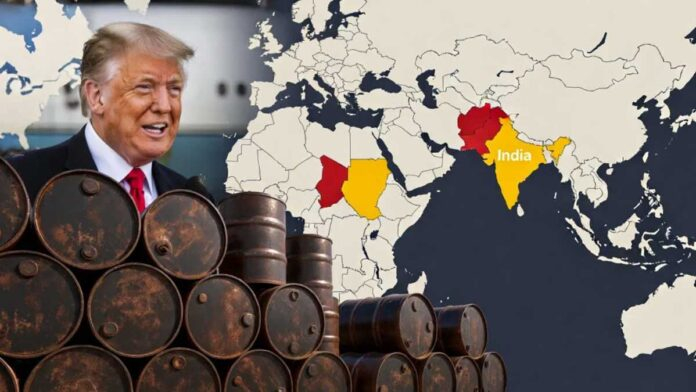
The United States has announced it will not renew the sanctions waiver that allowed limited imports of Russian and Iranian oil, a move expected to significantly affect global energy markets and countries heavily reliant on these supplies, including India.
The decision comes amid escalating tensions in the Middle East and increased enforcement measures targeting Iran’s oil exports.
US Tightens Oil Sanctions
In parallel, a U.S. naval presence has enforced restrictions around key Iranian ports, affecting shipments through the strategically critical Strait of Hormuz.
Officials have warned of strict action against vessels attempting to bypass these restrictions.
Impact on India’s Energy Security
India, one of the world’s largest oil importers, has been a major buyer of discounted Russian crude and, in the past, Iranian oil.
With the waiver now discontinued, India may face:
- Supply disruptions from key suppliers
- Higher crude oil costs, already exceeding $100 per barrel
- Increased inflationary pressure on fuel, transport, and manufacturing sectors
Analysts suggest that Indian refiners may need to quickly diversify sourcing, potentially turning to Middle Eastern, African, or U.S. suppliers.
Global Market Reaction
The tightening of sanctions and ongoing geopolitical tensions have already triggered volatility in global markets.
Oil prices have surged, and equity markets worldwide are reacting to concerns over:
- Supply chain disruptions
- Escalation risks in the Middle East
- Potential attacks on energy infrastructure
Experts warn that prolonged instability could lead to sustained high energy prices globally.
Diplomatic Developments
Amid the crisis, diplomatic efforts are underway. Pakistan is reportedly playing a mediating role between the U.S. and Iran, with discussions potentially being explored in Islamabad.
According to statements from Karoline Leavitt, backchannel communications remain active as stakeholders attempt to prevent further escalation.
Strategic Implications
The move underscores a broader geopolitical strategy to exert economic pressure equivalent to military force, while keeping critical global shipping routes partially operational.
However, experts caution that any escalation—particularly in the Strait of Hormuz—could have far-reaching consequences for global trade and energy stability.
What Lies Ahead for India
India may need to:
- Seek alternative crude suppliers
- Increase strategic reserves
- Engage diplomatically for possible exemptions
- Manage domestic fuel pricing to control inflation
The evolving situation is likely to remain a key factor influencing India’s economic outlook in the coming months.