Washington, D.C. — February 24, 2026
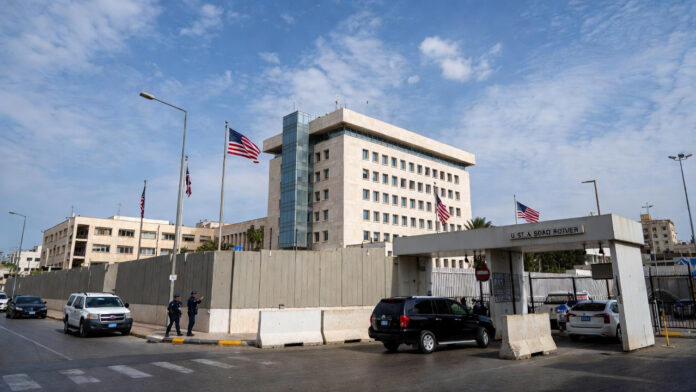
The United States has ordered non-essential diplomatic staff and their families to depart from its embassy in Beirut amid rising tensions with Iran and growing concerns over regional security.
The directive, issued Monday by the United States Department of State, cited the evolving security environment in Lebanon’s capital. According to an official travel alert, only essential personnel will remain at the embassy, and internal movement restrictions have been imposed.
Officials emphasized that the embassy will not close and described the move as temporary and precautionary.
Heightened Security Monitoring in Lebanon
U.S. authorities said the decision followed ongoing assessments of regional developments. Lebanon has long been considered a stronghold of Hezbollah, the Iran-backed organization that Washington designates as a terrorist group.
The United States has previously faced attacks on diplomatic and military facilities in Beirut. Historically, embassy staff reductions in the region have been viewed as indicators of potential military escalation.
Last year, similar drawdown orders were issued across parts of the Middle East shortly before then-President Donald Trump authorized strikes linked to Iranian targets.
Military Buildup and Diplomatic Outreach Move in Parallel
In recent weeks, the United States has increased its military presence in the Middle East, with an additional aircraft carrier reportedly heading toward the region.
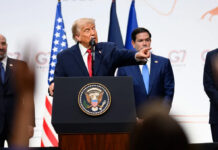
President Trump has indicated that military options could be considered if Iran fails to reach a satisfactory agreement regarding its nuclear program. However, diplomatic channels remain active.
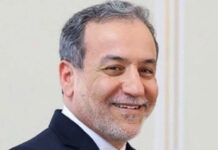
Oman’s Foreign Minister Badr Albusaidi announced that the next round of nuclear negotiations between the United States and Iran may take place in Geneva. Senior Iranian diplomat Abbas Araghchi has also signaled that diplomatic solutions remain possible.
Regional Uncertainty Grows
The evolving standoff between Washington and Tehran has raised concerns about broader instability across the Middle East. The decision to reduce personnel at the U.S. Embassy in Beirut underscores Washington’s preparedness for multiple scenarios, even as diplomatic efforts continue.
Global attention is now focused on the anticipated Geneva talks and on whether negotiations can ease mounting tensions or whether further escalation may follow.