Washington, D.C., United States — March 24, 2026
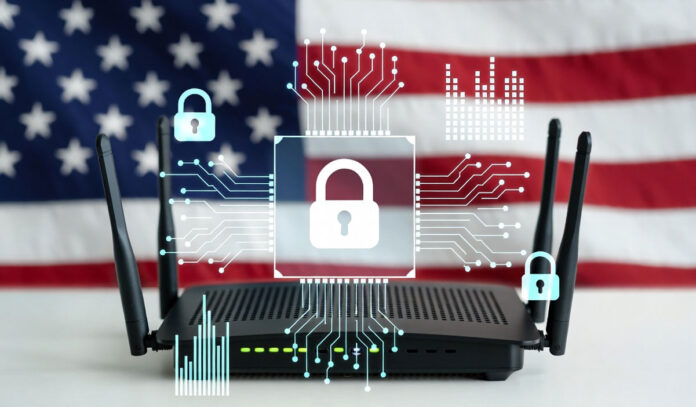
The United States has announced a sweeping policy to ban new foreign-manufactured consumer internet routers, citing growing national security concerns linked to global supply chains and potential cyber vulnerabilities.
The move is expected to impact a wide range of global technology brands, particularly those with manufacturing ties to countries such as China, as U.S. authorities seek to secure critical digital infrastructure.
National Security and Cyber Risk Concerns
Officials behind the decision emphasized that consumer routers—key devices enabling internet connectivity in homes and businesses—have become potential targets for cyber threats.
The policy aims to:
- Reduce reliance on foreign-made networking equipment
- Address vulnerabilities in hardware and firmware
- Protect sensitive data and communications infrastructure
Regulators have warned that compromised devices could be exploited for surveillance or cyberattacks, making them a priority area for reform.
Broad Impact Across Tech Industry
The ban is expected to affect nearly all major router brands, as domestic manufacturing capacity in the U.S. remains limited.
Industry analysts suggest:
- Supply chains may face disruptions in the short term
- Retail availability of routers could tighten
- Companies may need to shift production or seek exemptions
The policy reflects a broader effort to realign global tech manufacturing with national security priorities.
Consumer Impact: Prices and Availability
For consumers, the immediate effects could include:
- Higher prices due to limited supply and production shifts
- Fewer choices in the short term
- Delays in product availability
However, officials argue that these challenges are necessary to ensure long-term security and resilience.
Push for Domestic Manufacturing
The ban is expected to accelerate efforts to build a U.S.-based electronics manufacturing ecosystem, encouraging:
- Investment in domestic production facilities
- Public-private partnerships
- Innovation in secure networking technologies
This aligns with the U.S. government’s broader push for digital sovereignty and reduced dependence on foreign technology.
Global Trade and Geopolitical Implications
The decision may also have wider international consequences, including:
- Increased trade tensions, particularly in Asia
- Supply chain realignments across the tech sector
- Policy responses from affected countries
Experts note that similar measures are being considered globally as nations prioritize self-reliant and secure technology ecosystems.
A Shift Toward Secure Supply Chains
The router ban underscores a growing global trend: governments are increasingly viewing consumer technology as part of critical infrastructure.
As geopolitical risks rise, policies like this signal a long-term shift toward:
- Trusted supply chains
- Domestic innovation
- Enhanced cybersecurity standards