Washington, D.C., – Abu Dhabi – Islamabad , April 14, 2026
Pakistan’s economic challenges have intensified sharply as rising global oil prices and mounting external debt pressures push the country closer to a financial tipping point.
In a significant development, the United Arab Emirates has demanded full repayment of a $3 billion loan extended to Pakistan, marking the first time in seven years that Abu Dhabi has refused to roll over or extend the repayment deadline.
The move comes as Islamabad struggles to preserve its foreign exchange reserves amid volatile global energy markets and geopolitical tensions affecting oil supply.
Government Under Pressure
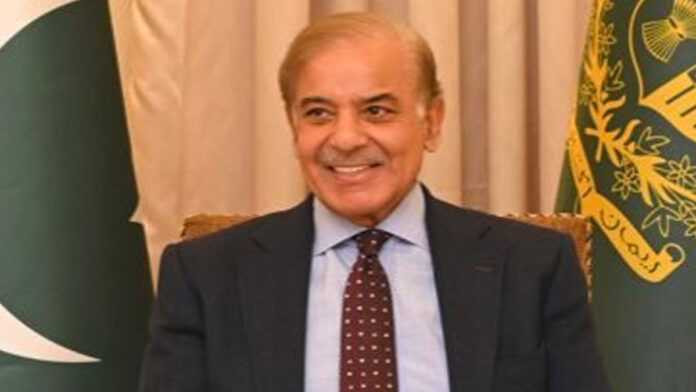
The demand has added to the challenges facing the government led by Shehbaz Sharif, raising concerns about the country’s external financial stability.
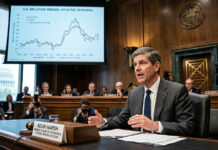
Speaking during meetings of the International Monetary Fund and the World Bank in Washington, Finance Minister Muhammad Aurangzeb acknowledged that Pakistan was unable to secure an extension from the UAE.
To bridge the funding gap, the government is now exploring alternative financing options, including new borrowing from international markets and bilateral partners.
Foreign Reserves and Debt Strategy
Despite the pressure, Aurangzeb stated that Pakistan’s foreign exchange reserves stood at approximately $16.4 billion at the end of March—enough to cover around three months of imports.
He reiterated that Pakistan remains committed to meeting its debt obligations and is actively arranging alternative resources to manage repayments.
Return to Global Bond Markets
In a bid to stabilize its finances, Pakistan is preparing to re-enter global debt markets after a four-year gap. The government plans to issue multiple instruments, including Eurobonds, Islamic Sukuk, and Panda Bonds.
The Panda Bonds—denominated in Chinese yuan—are expected to be backed by support from the Asian Development Bank, with an initial target of $250 million that could later expand to $1 billion.
IMF Support Critical
Pakistan is also looking toward the IMF for immediate relief, with expectations that the next tranche of its $7 billion bailout program could soon be approved, potentially unlocking around $1.3 billion in funding.
However, officials clarified that the government is not currently seeking an increase in the bailout amount, despite the worsening oil crisis.
Rising Global Risks
The country’s economic outlook remains closely tied to global developments, particularly disruptions in oil supply linked to Middle East tensions. Higher energy costs are increasing import bills and adding further strain to Pakistan’s fragile economy.
Analysts warn that Pakistan now faces a difficult balancing act—repaying existing debts while taking on new, potentially more expensive borrowing.
As external pressures mount, Islamabad finds itself at a critical crossroads, where policy decisions in the coming weeks could determine the trajectory of its economic recovery.