Brussels | January 29, 2026
NATO Secretary General Mark Rutte has issued a stark warning to Europe, saying the continent cannot defend itself without the United States and would need to dramatically increase military spending if it ever chose to stand alone.
Addressing the European Parliament in Brussels, Rutte said that if European nations truly want to ensure their security without US support, they would need to raise defense spending to as much as 10% of GDP and even consider developing their own nuclear deterrent, a move that would cost hundreds of billions of euros.
Europe Still Heavily Reliant on US Military Power
According to media reports cited during the address, European NATO members currently contribute only around 30% of NATO’s total defense spending, with most countries allocating an average of 2% of GDP—the alliance’s current benchmark.
Rutte emphasized that despite seven decades of NATO cooperation, Europe remains deeply dependent on American military strength, including the US nuclear umbrella, for its ultimate security.
“Even after 70 years, Europe relies on US military power,” Rutte said. “If Europe truly wants full strategic autonomy, it must be prepared for unprecedented levels of defense investment.”
Defense Spending Must Double, Rutte Says
The NATO chief warned that even a proposed 5% of GDP defense spending target by 2035 would be insufficient, arguing that Europe would need to double that to 10% if it wanted to replace US security guarantees.
He cautioned lawmakers that pursuing such independence would also mean losing the American nuclear security shield, which he described as Europe’s “final guarantor of freedom.”
“If Europe believes it can stand alone, then I wish you good luck,” Rutte told lawmakers.
Support for Trump’s Arctic and Greenland Strategy
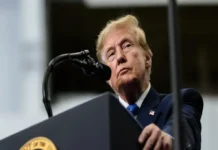
Rutte also addressed growing concerns over Arctic security, expressing support for former US President Donald Trump’s strategy of strengthening defense in the Arctic region, including Greenland.
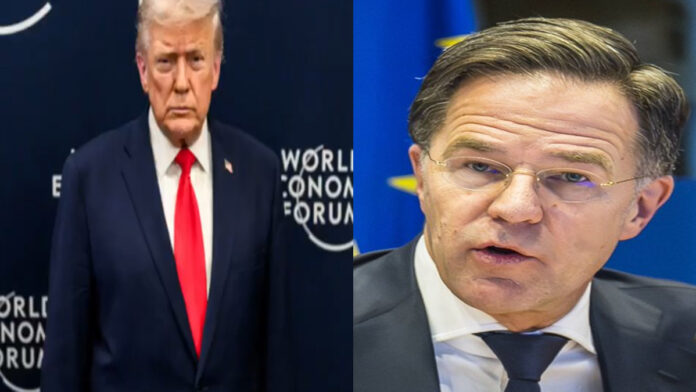
He said he had personally encouraged Trump to dial down aggressive rhetoric and move toward a negotiated framework regarding Greenland’s future. Trump and Rutte reportedly discussed the issue during a meeting in Davos on January 21.
However, the talks sparked controversy. Leaders in Denmark and Greenland reportedly expressed anger that discussions about Greenland’s future took place without their direct involvement.
Several members of the European Parliament questioned Rutte about the nature of his discussions with Trump and the potential implications for Denmark and Greenland.
Greenland Talks Ease Europe—but Concerns Remain
Last week, Trump claimed that a framework agreement with NATO regarding Greenland’s future security had been prepared, easing immediate tensions across Europe. Still, some lawmakers and analysts remain concerned that Trump could reverse his position, given his history of unpredictable policy shifts.
Rutte reiterated Trump’s assessment that China and Russia are emerging threats to Arctic security, echoing US concerns about increased military and economic activity in the region.
“President Trump is doing good work,” Rutte said, acknowledging that the former US leader’s approach has unsettled many. “I know this frustrates people, but the threats are real.”
A Defining Debate for Europe’s Security Future
Rutte’s remarks have reignited debate across Europe over strategic autonomy, defense spending, and reliance on the US, at a time when global security dynamics are rapidly shifting.
As NATO faces renewed challenges from Russia, China, and instability in the Arctic, the question of whether Europe can—or should—defend itself independently remains one of the most consequential strategic debates of the decade.