TEHRAN | July 10, 2026
Iran US Tensions continued to escalate after recent US military strikes inside Iran, prompting Iranian Foreign Minister Seyed Abbas Araghchi to hold a series of high-level diplomatic calls with officials from Oman, Türkiye, and Pakistan. The discussions focused on the latest regional developments, maritime security in the Strait of Hormuz, and efforts to prevent further escalation.
According to a statement released by Iran’s Foreign Ministry, Araghchi spoke separately with Omani Foreign Minister Sayyid Badr bin Hamad Al Busaidi, Turkish Foreign Minister Hakan Fidan, and Pakistan’s Chief of Army Staff, Field Marshal Asim Munir.
Diplomatic Efforts Focus on Preventing Further Escalation
The Iranian Foreign Ministry said Araghchi and his Omani and Turkish counterparts reviewed recent developments in the Strait of Hormuz and discussed other issues of mutual concern.
The ministers emphasized the importance of maintaining diplomatic engagement, strengthening communication, and coordinating regional efforts to reduce tensions and prevent further escalation.
Officials also highlighted the need for continued dialogue to address security challenges affecting the Gulf region and the broader Middle East.
Iran Condemns Recent US Military Strikes
During his conversation with Pakistan’s Army Chief, Araghchi strongly condemned the latest US military strikes on Iranian territory.
According to the Foreign Ministry, Araghchi described the attacks as a violation of international law, the United Nations Charter, and the recently signed Iran-US Memorandum of Understanding (MoU) intended to facilitate ongoing diplomatic negotiations.
He reiterated Iran’s position that it would defend its territorial integrity, sovereignty, and national security against any military action.
US Says Strikes Targeted Iran’s Maritime Capabilities
The United States said its military carried out strikes on multiple locations inside Iran on Wednesday and Thursday.
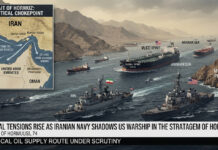
According to US officials, the operation was launched in response to reported Iranian attacks on commercial vessels transiting the Strait of Hormuz, one of the world’s most strategically important shipping routes.
Washington stated that the objective of the operation was to reduce Iran’s capability to threaten commercial shipping in the waterway.
Iran Reports Casualties and Infrastructure Damage
Iranian authorities said the overnight US strikes resulted in:
- 14 fatalities
- 78 people injured
- Damage to a bridge
- Damage to a railway line
Iranian officials described the attacks as a serious escalation and said emergency response teams were deployed to affected areas.
Iran Announces Retaliatory Military Action
In response to the US strikes, Iran’s Islamic Revolutionary Guard Corps (IRGC) and the Iranian military said they launched missile and drone attacks targeting US military bases and facilities in:
- Kuwait
- Bahrain
- Qatar
- Jordan
The statements did not provide independent verification of the reported attacks or details regarding casualties or damage.
Negotiations Continue Despite Rising Tensions
The latest escalation comes while Iran and the United States are engaged in a 60-day diplomatic process under a previously announced memorandum of understanding aimed at reaching a broader agreement.
Despite the ongoing negotiations, the recent military exchanges have significantly increased uncertainty about the future of the talks and regional stability.
Officials from multiple countries continue to call for restraint and emphasize the importance of diplomatic engagement to avoid further escalation.
Regional Security Situation Remains Highly Volatile
The recent exchanges have intensified concerns over security in the Gulf region, particularly around the Strait of Hormuz, a critical corridor for global energy shipments and international trade.
Diplomatic contacts involving Iran, Oman, Türkiye, and Pakistan reflect continuing efforts to manage the crisis through dialogue while military tensions remain elevated.
As developments continue to unfold, governments across the region are closely monitoring the situation, with international attention focused on preventing further escalation and preserving regional stability.