Tehran, Iran | July 9, 2026
US Iran Oil Sanctions: Tehran Condemns Washington Over Renewed Restrictions as Gulf Tensions Deepen
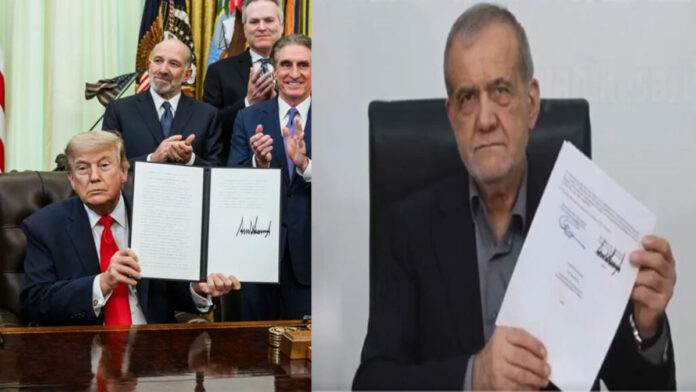
US Iran Oil Sanctions returned to the center of global attention on Wednesday after Iran strongly condemned the United States for reinstating restrictions on Iranian oil sales. Tehran described the move as a violation of a previously signed memorandum of understanding (MOU) and warned that it reserved the right to take measures to safeguard its national interests and security.
The latest diplomatic dispute comes amid escalating tensions in the Strait of Hormuz, a critical global energy corridor, and follows reports of military activity in the Gulf region.
Iran Accuses US of Violating Agreement
In an official statement, Iran’s Foreign Ministry criticized the U.S. Treasury’s decision to end the temporary relief that had eased sanctions on Iranian oil exports.
US-Iran Ceasefire Dispute Escalates as Both Sides Accuse Each Other of Violating Truce
According to the ministry, the move constitutes a breach of Article 10 of a memorandum of understanding reportedly signed on June 18, which Tehran says was intended to help de-escalate hostilities.
Iran alleged that Washington’s decision, announced less than three weeks after the reported agreement, demonstrates what it described as a lack of commitment and reliability.
The United States has not publicly confirmed the existence or terms of the agreement referenced by Iran.
Tehran Defends Its Position
Iranian officials stated that Tehran had fulfilled its commitments under the reported understanding in good faith and had made every effort to implement its obligations.
The Foreign Ministry further alleged that the United States had repeatedly violated multiple provisions of the agreement, either directly or indirectly, through regional developments involving Israel and Lebanon.
Create Smooth Multi-Scene Videos Without Complex Editing in Pippit
These allegations reflect Iran’s official position and have not been independently verified.
Warning of Possible Response
The Foreign Ministry warned that Iran would take any measures it considered necessary to defend its national interests and security.
In its statement, Tehran emphasized that it would hold Washington responsible for any consequences arising from what it called violations of the reported agreement.
No details were provided regarding specific actions Iran may consider.
US Central Command Announces Military Response
Meanwhile, U.S. Central Command (CENTCOM) announced that American forces had launched military operations following attacks on three commercial vessels transiting the Strait of Hormuz.
In a statement posted on social media, CENTCOM said the strikes were carried out in response to what it described as Iranian attacks on civilian commercial ships operating in international waters.
The command stated that the United States was responding to protect freedom of navigation and maritime security in one of the world’s busiest shipping routes.
PM Modi Concludes Landmark Indonesia Visit, Heads to Australia After Signing 20 Strategic Agreements
Iran has not publicly acknowledged responsibility for the reported attacks on the vessels.
Explosions Reported Near Strategic Ports
According to China’s Xinhua News Agency, citing Iranian state broadcaster Press TV, explosions were heard near Qeshm Island, Bandar Abbas, and Sirik, all strategically located along Iran’s southern coastline near the Strait of Hormuz.
There has been no independent confirmation regarding the cause of the reported explosions or the extent of any damage.
Global Markets Closely Monitoring Developments
The renewed confrontation between Washington and Tehran is being closely watched by global energy markets, given the strategic importance of the Strait of Hormuz.
A significant portion of the world’s oil exports passes through the narrow waterway, making any disruption a potential risk to international energy supplies and shipping.
Analysts say further escalation could have broader implications for regional security, maritime trade, and global oil prices.
Diplomatic efforts are expected to continue as international stakeholders urge restraint and dialogue to prevent a wider conflict in the Gulf.