Tehran/Washington — May 10, 2026
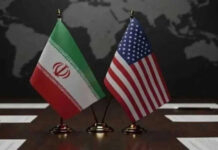
Tensions between Iran and the United States have sharply escalated after Iran’s Islamic Revolutionary Guard Corps (IRGC) warned it is prepared to launch missile and drone strikes in response to any attack on its assets, even as U.S. President Donald Trump said he is awaiting Tehran’s response to a proposed ceasefire.
The IRGC issued a strong warning to U.S. forces stationed in the Persian Gulf, stating that any attack on Iranian oil tankers or commercial vessels near the Strait of Hormuz would trigger a severe military response targeting U.S. bases and naval assets in the region.
IRGC Signals Operational Readiness
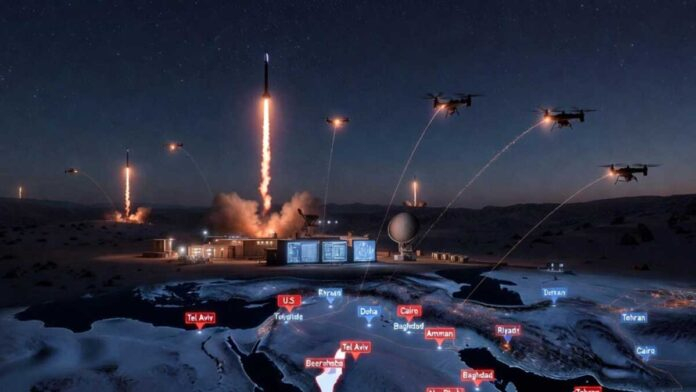
In statements posted on social media, IRGC naval officials said Iran’s military has identified potential targets and is fully prepared for retaliatory action. The IRGC’s aerospace division added that missiles and drones have already been positioned and locked onto U.S. military bases and vessels, awaiting further orders.
Naval Confrontation Near Hormuz
The situation intensified following a reported exchange of fire between U.S. and Iranian forces near the Strait of Hormuz, one of the world’s most critical oil transit routes.
According to Trump, three U.S. Navy destroyers were able to safely exit the area after what he described as an attempted Iranian attack. He claimed U.S. forces neutralized incoming missiles and drones and destroyed several Iranian naval boats during the encounter.
U.S. Military Action in Gulf Waters
The U.S. Central Command (CENTCOM) reported additional military action in the Gulf of Oman, stating that two Iranian oil tankers—identified as MT Sea Star III and MT Sevda—were intercepted and disabled.
According to CENTCOM, U.S. Navy F/A-18 Super Hornet aircraft targeted the vessels’ smokestacks, rendering them inoperable. Officials said the action was part of a broader effort to restrict Iranian maritime activity.
Earlier operations included the interception of another tanker, MT Hasna, on May 6. Since mid-April, U.S. forces have reportedly disabled four major Iranian vessels and rerouted dozens of commercial ships due to security concerns.
Ceasefire Proposal Under Review
Amid rising tensions, Trump said he has proposed a ceasefire arrangement, but Iran’s response is still under review. No official confirmation has been issued by Tehran regarding acceptance or rejection of the proposal.
Regional Situation Remains Volatile
The Persian Gulf region remains on high alert as military activity intensifies. Analysts warn that any further escalation could disrupt global energy supplies and shipping routes, particularly through the Strait of Hormuz, which handles a significant portion of the world’s oil trade.
With both sides signaling readiness for further action, the situation continues to evolve rapidly, with global implications for security and energy markets.