Riyadh, Saudi Arabia | March 28, 2026
The ongoing Middle East conflict escalated further after Iran launched a missile and drone strike targeting a key U.S. military installation in Saudi Arabia, resulting in reported casualties and significant damage.
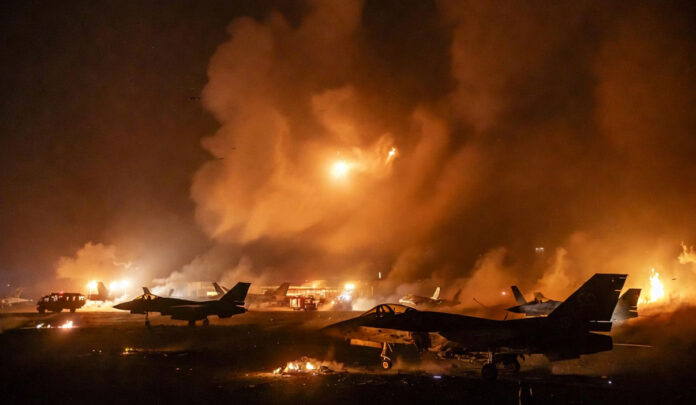
According to a U.S. official speaking on condition of anonymity, the attack struck the Prince Sultan Air Base, a major hub for American military operations in the Gulf region.
Casualties and Damage Reported
Initial reports indicate:
- Multiple U.S. personnel killed
- Several others injured
- Military aircraft damaged or destroyed
The official noted that Iran used a combination of ballistic missiles and unmanned aerial drones in the attack, highlighting the scale and sophistication of the strike.
Independent confirmation of the exact casualty figures remains pending.
Conflict Enters 29th Day
The strike comes as the broader conflict involving Iran, the United States, and Israel enters its 29th day, with hostilities intensifying across multiple fronts.
Iran has been carrying out retaliatory attacks against Israeli targets and U.S. military bases in the region following earlier strikes by U.S. and Israeli forces.
Regional Tensions at Peak Levels
The latest escalation underscores growing instability across West Asia, with:
- Increased missile and drone exchanges
- Expanded targeting of military infrastructure
- Rising risks to regional security and global energy supply
Defense analysts warn that continued strikes on strategic bases could further widen the conflict and draw in additional regional actors.
Global Implications
The attack is expected to have wider geopolitical and economic consequences, including:
- Heightened risks to global oil supply routes
- Increased volatility in energy markets
- Intensified diplomatic efforts to de-escalate tensions
The Gulf region remains critical to global energy security, and any prolonged instability could impact economies worldwide.
Outlook
With casualties mounting and military operations expanding, the conflict shows no immediate signs of slowing. The coming days will be crucial in determining whether diplomatic interventions can prevent further escalation or if the region moves toward a broader confrontation.