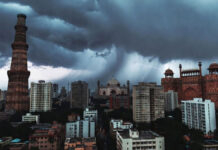
New Delhi, India — February 15, 2026
India’s weather pattern is shifting rapidly as a fresh western disturbance approaches northern regions, bringing the possibility of rain, snowfall, and thunderstorms across several states. Meteorological observations indicate stark contrasts nationwide, with dense fog and cold conditions in some northern areas while southern and coastal regions experience rising heat and humidity.
Western Disturbance to Impact Himalayan Region
Between February 16 and 18, scattered rainfall and snowfall are likely across parts of:
Himachal Pradesh
Uttarakhand
Jammu and Kashmir
Ladakh
Gilgit-Baltistan
Muzaffarabad
Dense morning fog is also forecast in isolated parts of Himachal Pradesh through February 15, potentially reducing visibility and affecting transportation.
Thunderstorm Forecast for Plains
Weather models suggest that on February 17, light rain accompanied by thunder and lightning could occur in plains regions, including:
Punjab
Haryana
Chandigarh
Western parts of Uttar Pradesh
Northern Rajasthan
Such conditions typically occur when moist winds interact with approaching western disturbances, creating atmospheric instability.
Sharp Temperature Contrast Across India
Recent readings highlight dramatic temperature differences nationwide:
Maximum temperature of 37.4°C recorded in Karwar (Karnataka coast)
Minimum temperature of 6.5°C recorded in Sikar (western Rajasthan)
These extremes underscore how different air masses currently influence India’s climate—cool northern winds versus warm maritime air over southern and coastal zones.
Why Weather Is Changing Rapidly
Meteorologists attribute the shifting pattern to interacting systems:
Active western disturbances over northern latitudes
Strong jet stream winds influencing cloud formation
Moisture inflow from western and Arabian Sea regions
Seasonal transition toward late winter
Such combinations often create brief but noticeable swings in temperature and precipitation across regions.
Regional Outlook Summary
| Region | Expected Conditions |
|---|---|
| Himalayan Belt | Rain & snowfall Feb 16–18 |
| North Plains | Thunderstorms and light rain |
| Northwest | Foggy mornings |
| South & Coasts | Heat and humidity |
| West India | Wide temperature variations |
Weather Advisory
Authorities advise residents in northern states to prepare for possible travel delays due to fog, rain, or snowfall. Meanwhile, people in southern and coastal areas should stay hydrated and avoid prolonged exposure to midday heat.