New Delhi, India — April 30, 2026
Government Tightens LPG Rules as India Faces Mounting Gas Supply Pressure
In a significant policy move amid a deepening energy supply crunch, the Indian government has directed households with both piped natural gas (PNG) and liquefied petroleum gas (LPG) connections to surrender one of them—effectively banning dual ownership.
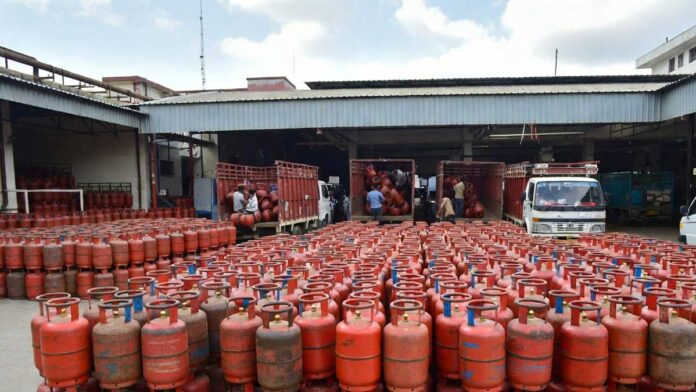
The step comes as authorities attempt to streamline domestic gas distribution, curb subsidy misuse, and ensure that limited LPG supplies reach households without access to piped gas networks.
Dual Connections Under Scrutiny as New Rules Take Effect
Under revised regulations issued by the Ministry of Petroleum and Natural Gas, consumers with active PNG connections are now required to give up their domestic LPG connections.
The directive stems from amendments made on March 14 under the Liquefied Petroleum Gas (Supply and Distribution Regulation) Order, 2000, invoked through the Essential Commodities framework.
According to the updated rules:
- Consumers cannot hold both PNG and LPG connections simultaneously
- PNG users are barred from receiving LPG refills
- Oil companies are prohibited from issuing new LPG connections or refills to such customers
- Households with only PNG are no longer eligible to apply for new LPG connections
Authorities have instructed eligible consumers to surrender their LPG connections immediately.
Government Identifies Thousands of Dual-Connection Households
Officials are currently mapping households that hold both types of gas connections. Speaking at an inter-ministerial briefing, Joint Secretary Sujata Sharma confirmed that more than 43,000 consumers have already surrendered their LPG connections.
However, the government believes this figure represents only a fraction of total dual-connection users and expects compliance to increase in the coming weeks.
PNG Expansion Push Gains Urgency
A key objective behind the move is to accelerate the expansion of PNG infrastructure across urban and semi-urban areas. By shifting consumers toward piped gas, the government aims to reduce reliance on cylinder-based LPG distribution, which is currently under severe strain.
Officials say the transition will help optimize supply chains and ensure better allocation of resources during ongoing disruptions in global energy markets.
Global Crisis and Middle East Tensions Drive Policy Shift
The tightening of domestic gas rules is closely linked to rising geopolitical tensions in West Asia, which have disrupted global energy supply routes.
India remains heavily dependent on imports for its energy needs:
- 88% of crude oil
- 50% of natural gas
- 60% of LPG
A large share of these imports traditionally comes from Gulf nations such as Saudi Arabia and the United Arab Emirates.
Recent escalations, including military developments involving Iran, have raised concerns over the Strait of Hormuz, a critical global energy transit route. Disruptions in this corridor have intensified supply risks and price volatility.
Supply Cuts Hit Industry and Commercial Sectors
While India has partially offset crude oil disruptions by increasing purchases from alternative sources such as Russia, the impact on gas supply has been more severe.
As a result:
- Gas supply to industrial consumers has been reduced
- LPG availability for commercial establishments like hotels and restaurants has been curtailed
- Issuance of new LPG connections has been temporarily halted nationwide
Outlook: Tight Supply to Persist, Compliance Key
Experts suggest that India’s gas supply situation may remain tight in the near term, especially if geopolitical tensions persist. The success of the government’s latest measures will depend largely on public compliance and the pace of PNG infrastructure expansion.
For now, households with dual connections are being urged to act quickly as enforcement tightens and supply priorities shift.